
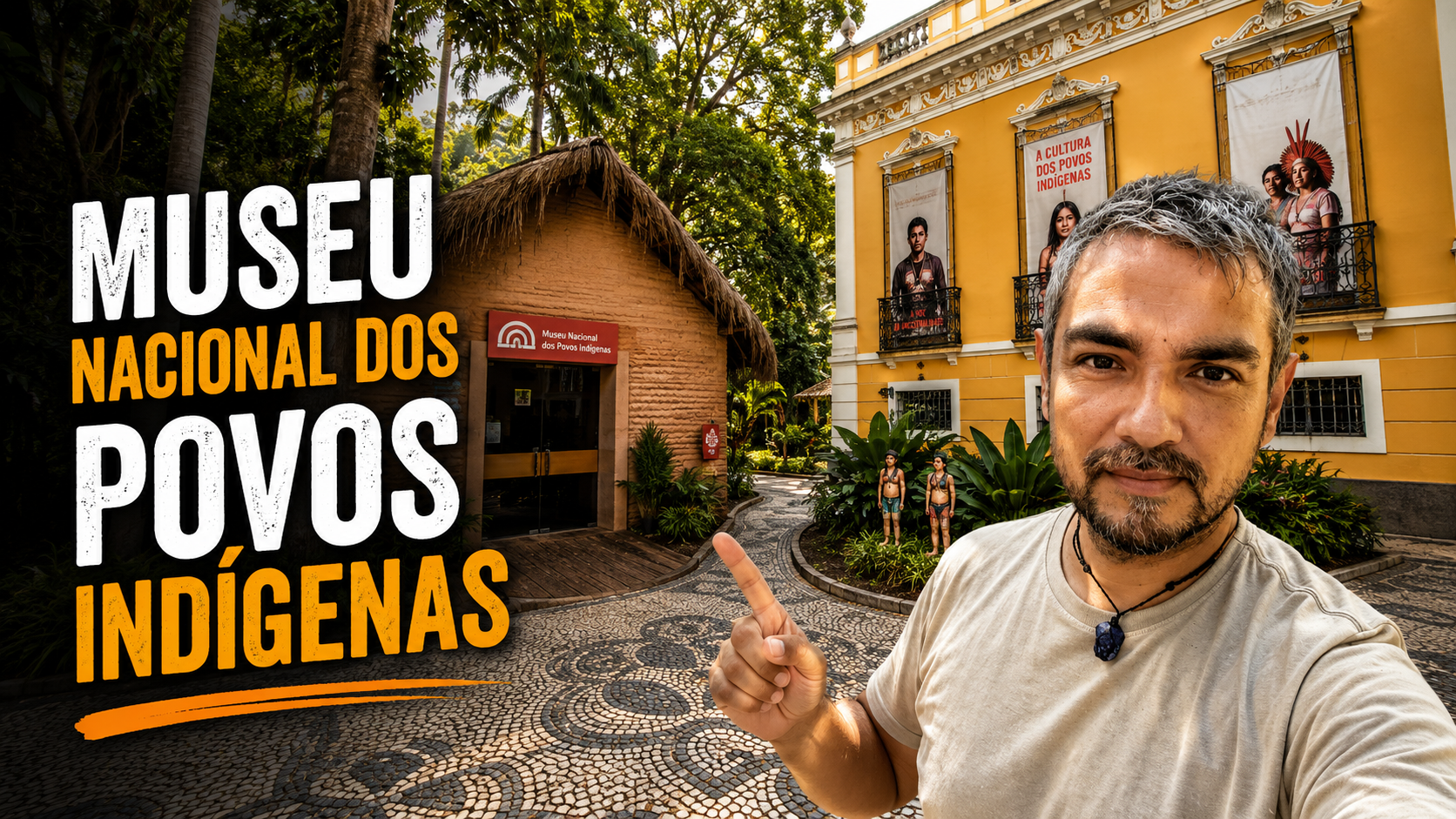
The former Museu do Índio, now called Museu Nacional dos Povos Indígenas, is an institution of Fundação Nacional dos Povos Indígenas researching, preserving and sharing the cultural diversity of Brazil's Indigenous peoples. Its collection includes ethnographic objects, photographs, films, recordings, documents and linguistic materials.
Indigenous cultures, ethnographic heritage, historic gardens and an important research center.
What you will find
Historic gardens open to the public. Cultural activities according to the program. References to Indigenous peoples' diversity. A historic 19th-century mansion. Educational and digital projects. Ethnographic collections primarily available for research. Photographic and audiovisual archives. Materials on Indigenous languages.
What you may not know
It was founded in 1953 by Darcy Ribeiro. Its current name is Museu Nacional dos Povos Indígenas. It is a Funai institution. Brazil has over 300 Indigenous peoples. It preserves important linguistic and audiovisual records. The gardens reopened in January 2024. The mansion remains closed for renovation.
History
The museum was founded in 1953 by anthropologist Darcy Ribeiro. From the outset, it challenged stereotypes portraying Indigenous peoples as societies belonging only to the past.
More context
Its aim was to show that Brazil is home to hundreds of peoples with different languages, territories, knowledge and forms of organization. The museum became an important reference for researchers, educators and Indigenous communities.
The historic Botafogo mansion
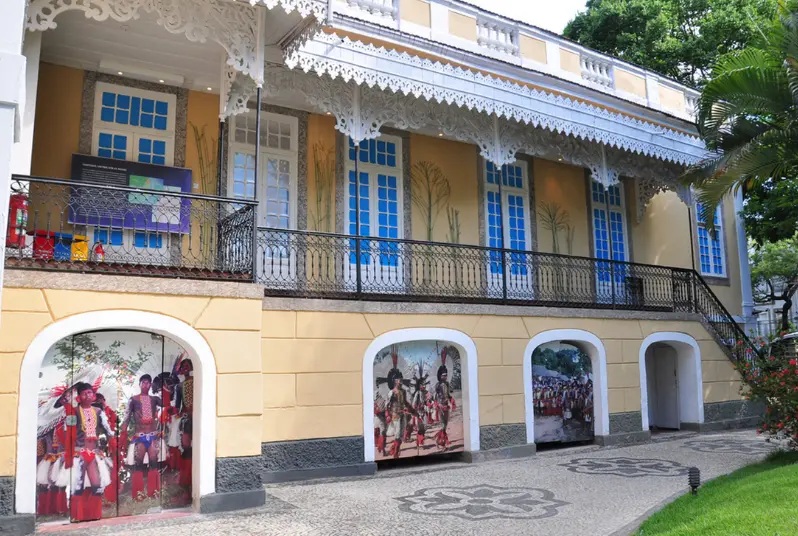
The institution occupies a 19th-century mansion on Rua das Palmeiras in Botafogo. Its architecture, gardens and vegetation make it a distinctive space in one of Rio's most urbanized areas.
More context
The main building housed exhibitions for years. However, it remains closed for construction and other work with no definitive completion date yet.
A collection built with Indigenous peoples
The collection includes ornaments, basketry, ceramics, musical instruments, weapons, utensils, ritual pieces and everyday objects. The museum also preserves sound, audiovisual and linguistic records of enormous importance.
Over 300 peoples and enormous cultural diversity
Brazil has over 300 Indigenous peoples and hundreds of languages. The museum therefore avoids presenting a single Indigenous identity and highlights differences between territories, histories and forms of knowledge.
Indigenous peoples as protagonists
One of the institution's most important changes is the involvement of Indigenous representatives in research, documentation and outreach. Objects are treated as elements connected with living communities, rather than merely old artifacts.
Research and preservation beyond exhibitions
Although the main building is closed, the institution continues its research, courses, digital activities, collection preservation and partnerships with Indigenous peoples from different regions of Brazil.
What can currently be visited?
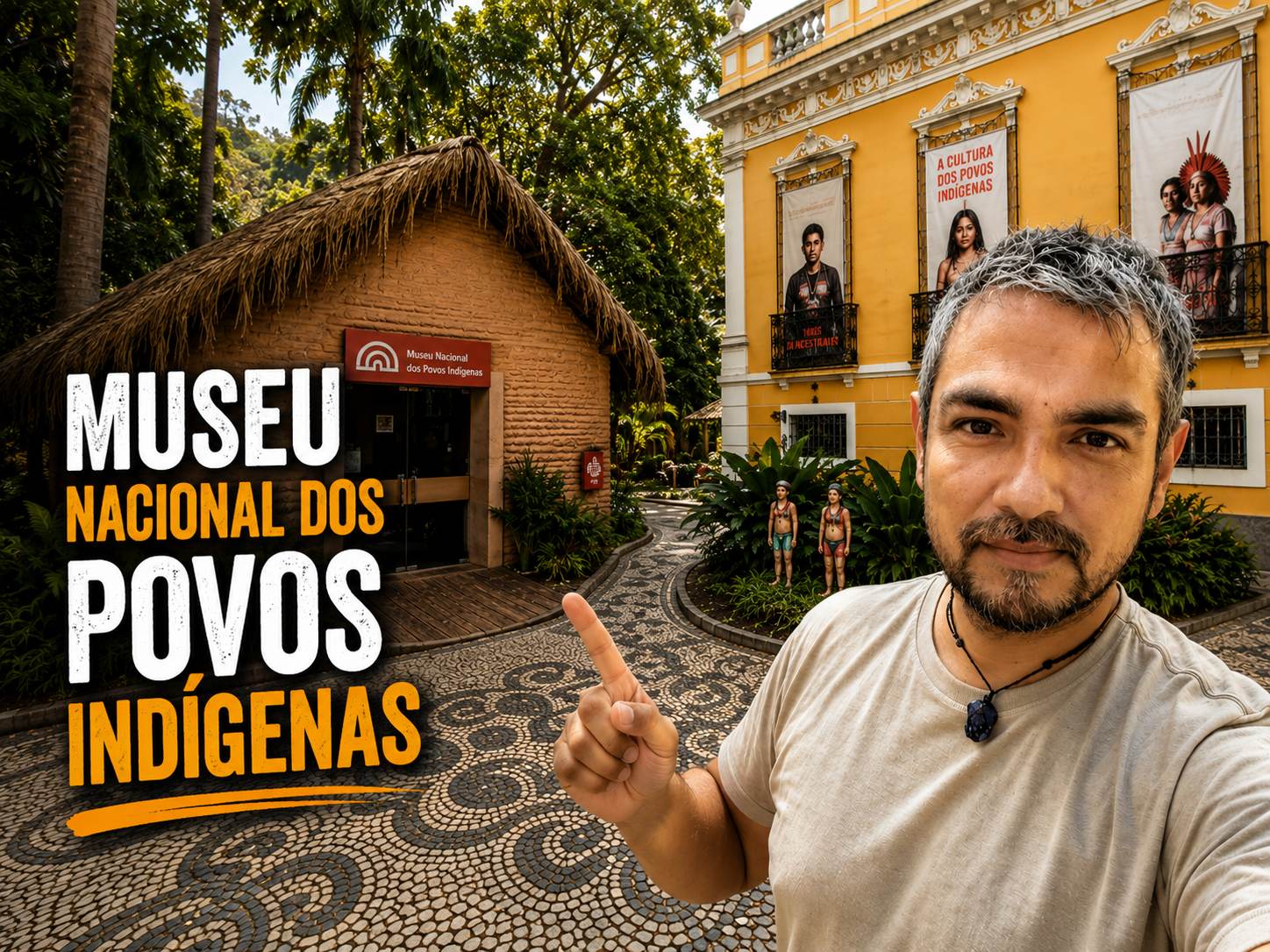
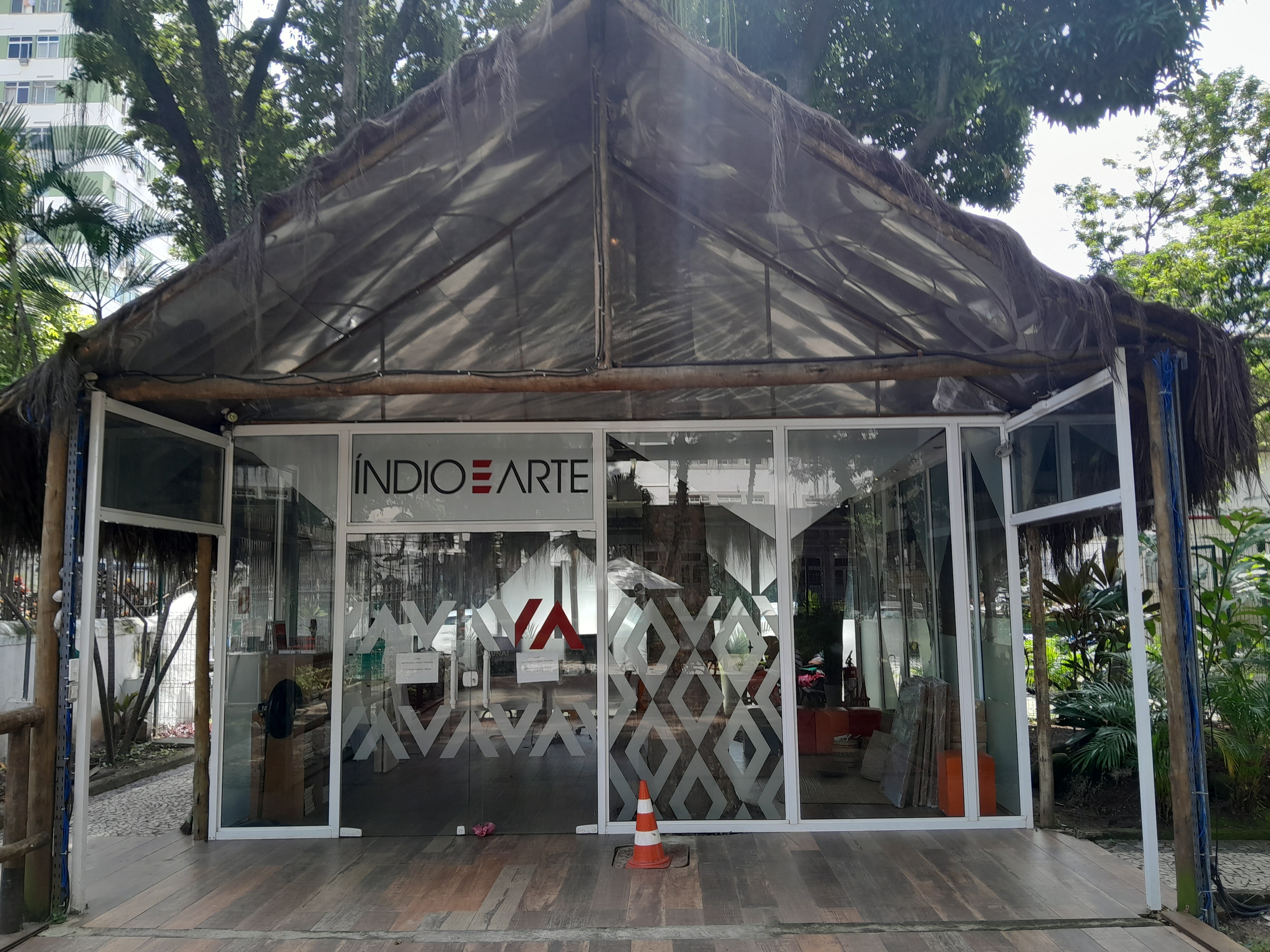
The gardens reopened to the public in January 2024. The mansion and main exhibition space remain affected by renovation. The current visit is not the full museum experience, so checking the program before going is essential.
My tip
Do not yet plan it as a traditional museum with several open galleries. If you are near Botafogo, you can visit the gardens, but confirm the program so you do not arrive expecting a full exhibition.