
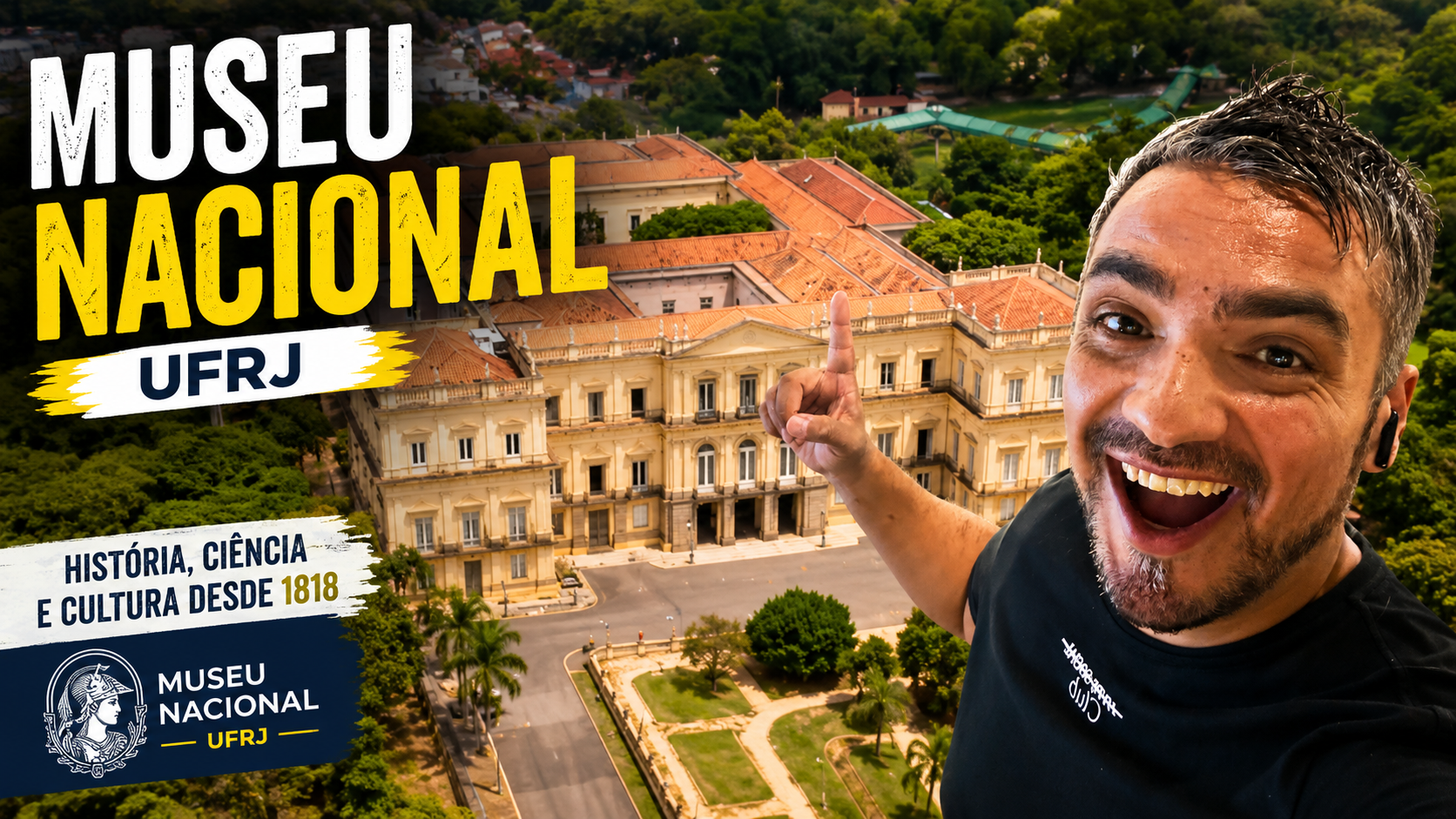
The Museu Nacional is Brazil's oldest scientific institution and one of Latin America's most important. It is housed in Paço de São Cristóvão, the former imperial family residence, inside Quinta da Boa Vista. Following the 2018 fire, the museum is undergoing an extensive reconstruction and gradual reopening.
Natural history, archaeology, an imperial palace and one of Brazil's largest cultural reconstruction projects.
What you will find
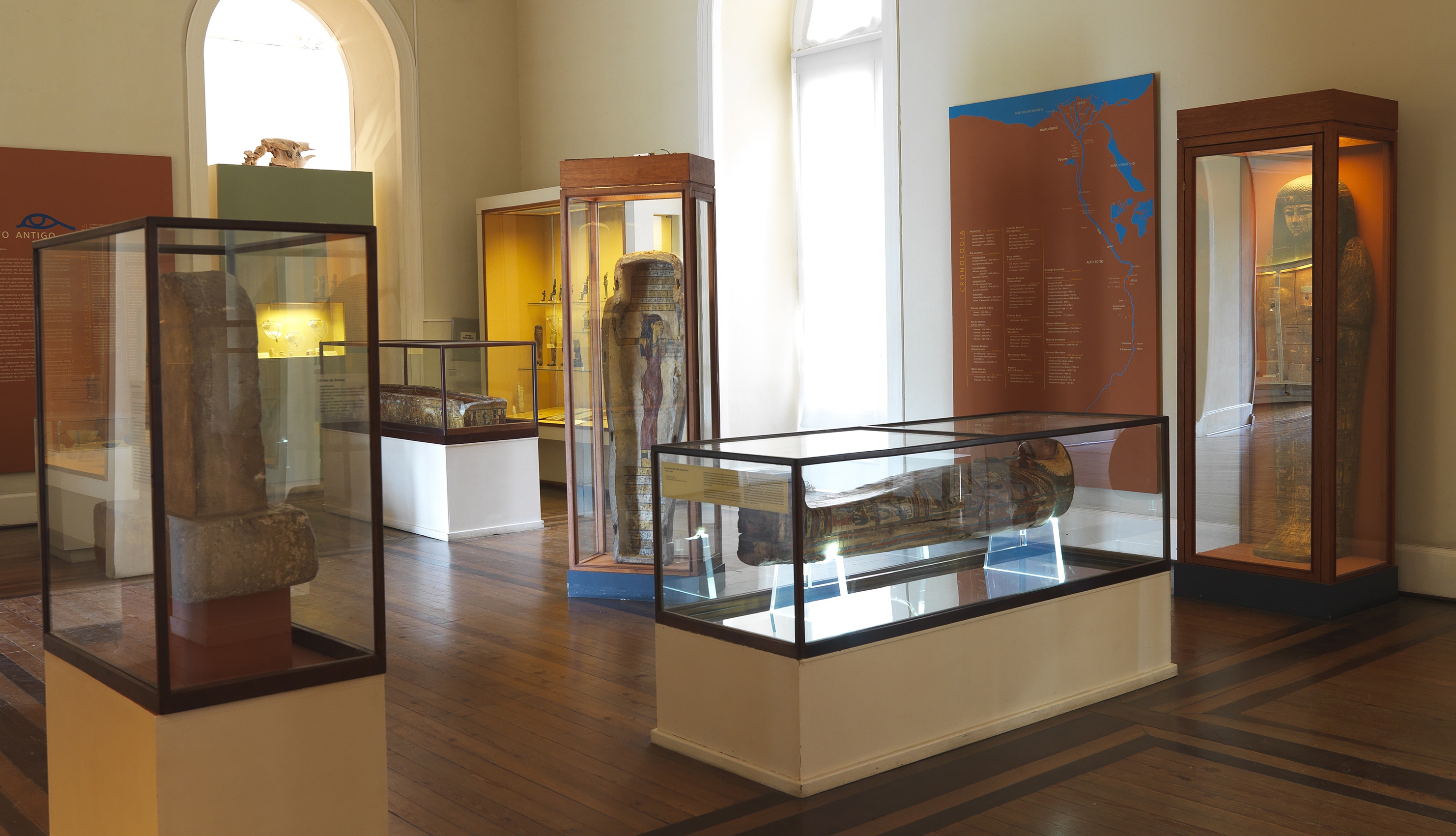
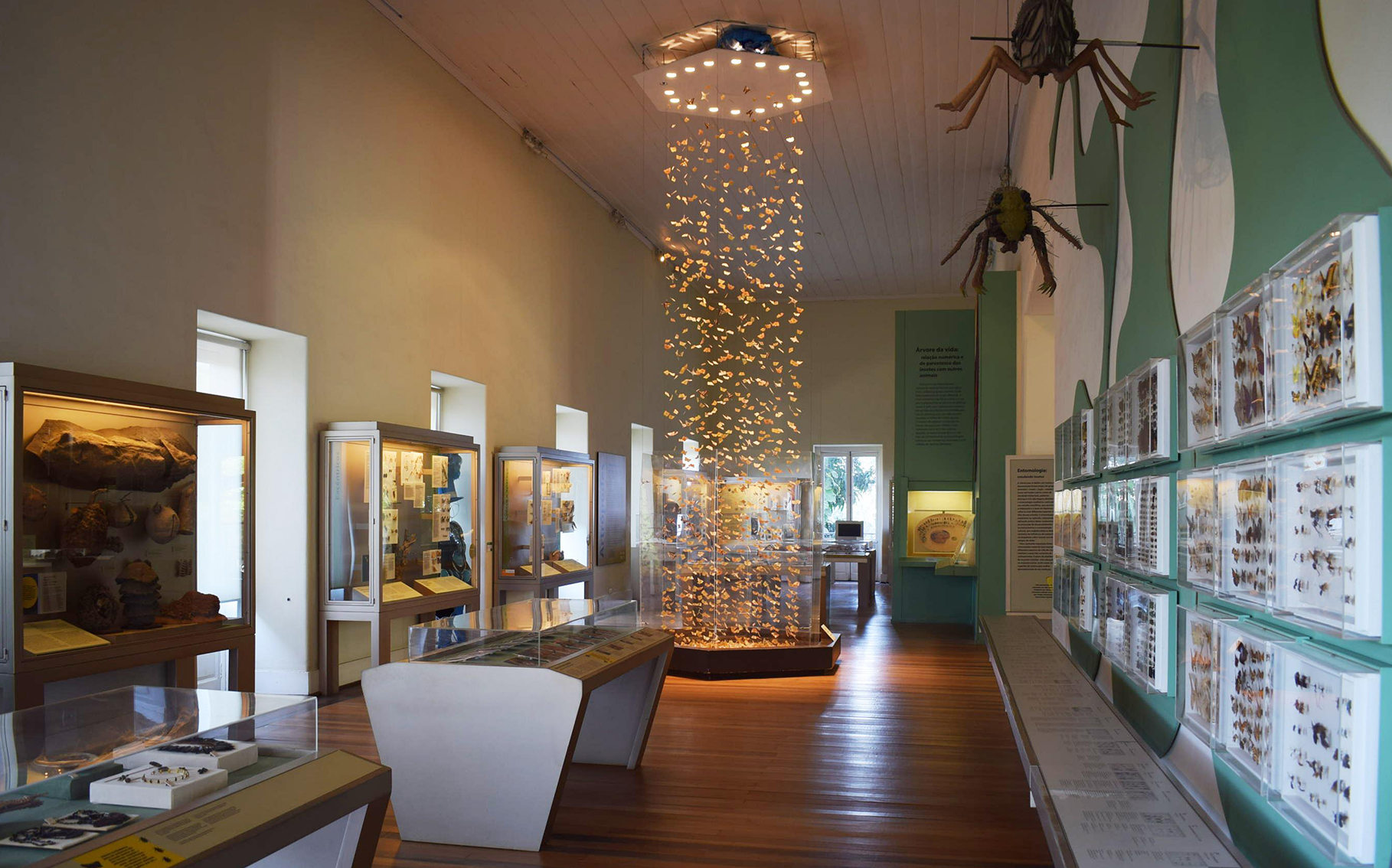
Temporary exhibitions in restored rooms. History of the former imperial palace. Items recovered after the fire. Content on archaeology and anthropology. Natural history and paleontology. Information on the reconstruction. Outdoor gardens. Quinta da Boa Vista. Scientific activities. Educational program.
What you may not know
It was established in 1818. It is Brazil's oldest scientific institution. The building was home to the imperial family. Its collection grew to around 20 million items. The Bendegó meteorite survived the fire. The reopening is taking place gradually.
History
The Museu Nacional was established in 1818 by King Dom João VI as the Museu Real. Its purpose was to promote scientific knowledge and assemble collections of natural history, archaeology, anthropology and other fields.
More context
For more than two centuries, researchers studied fossils, minerals, animals, plants, Indigenous cultures, Brazilian archaeology and ancient civilizations.
Paço de São Cristóvão and the imperial family
The building was home to the Portuguese royal family and later to Brazil's emperors. Dom Pedro II, a strong supporter of science, grew up and lived part of his life in the palace.
More context
After the Proclamation of the Republic, the building hosted the first republican Constituent Assembly. In 1892, it became home to the Museu Nacional.
A collection of international importance
Before the fire, the museum held around 20 million items. Its collections included fossils, mummies, archaeological artifacts, minerals, meteorites, animals, plants and objects from many peoples.
The fire of 2018
On September 2, 2018, a fire destroyed much of the palace and its collections. The tragedy caused one of the greatest scientific and cultural losses in Brazil's history.
Recovery and reconstruction
Researchers, technicians, firefighters and volunteers recovered items from the rubble. Rescued objects included fragments of Luzia's skull and the Bendegó meteorite, which withstood the high temperatures.
A reopening in stages
The palace is still being rebuilt. Some restored rooms host free temporary exhibitions with controlled admission. Availability and opening hours change with each stage of construction.
What can currently be visited?
The whole museum is not open. Visits focus on temporary exhibitions and restored areas. You must check available dates and collect your free ticket before going.

My tip
Do not arrive expecting the entire former museum to be open. Check the current exhibition, collect your ticket and combine the visit with a stroll through Quinta da Boa Vista.