

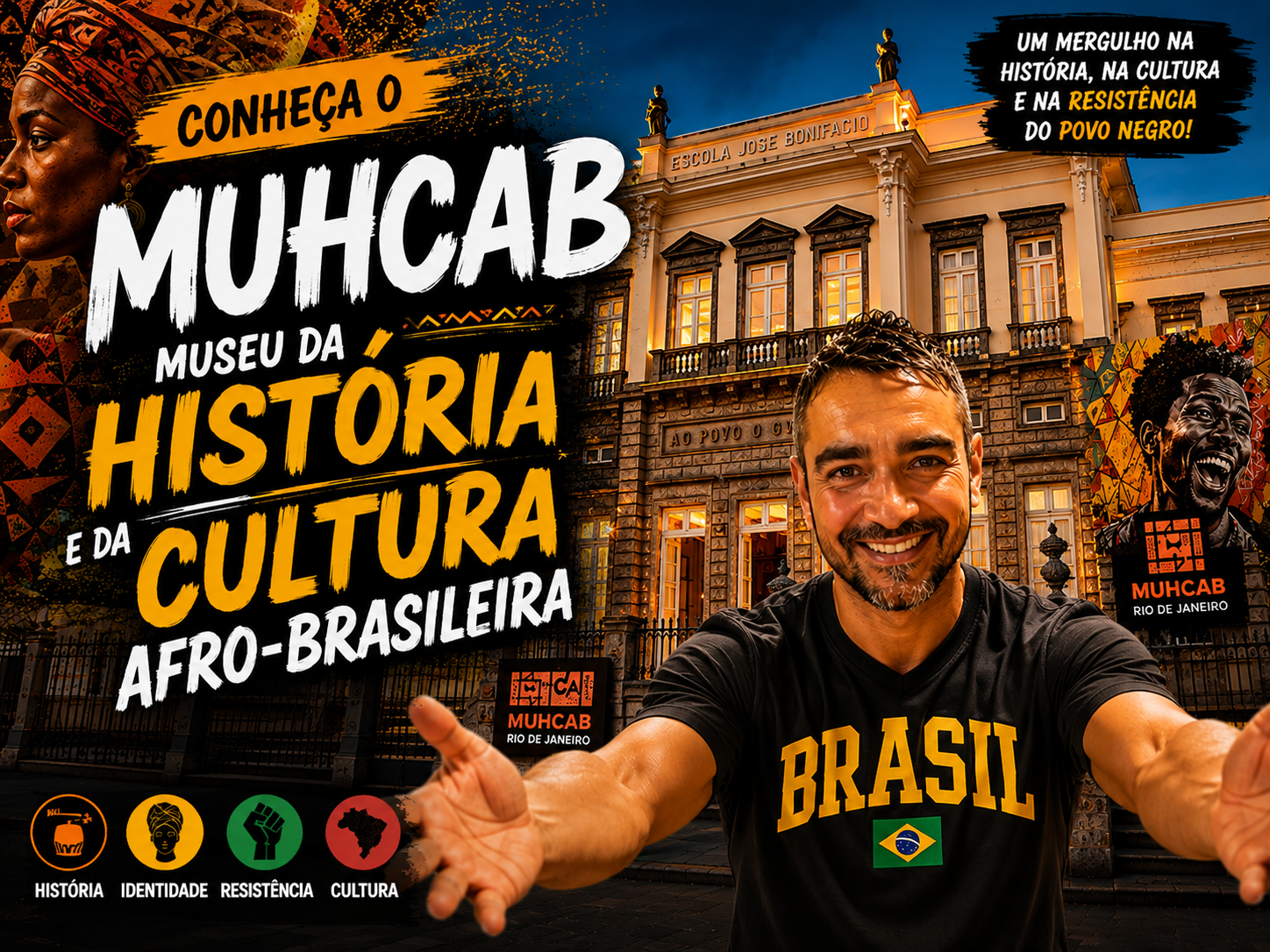
MUHCAB is a community-oriented museum dedicated to the Black population’s history, culture, memory and leading role. It is in Gamboa, within Pequena África, an area essential to understanding Rio de Janeiro’s cultural formation.
Afro-Brazilian history, Pequena África, community memory, ancestry and resistance.
What you will find
Afro-Brazilian history exhibitions. Art by Black creators. Pequena África’s memories. Material about Cais do Valongo. Photos and documents. Educational activities. Community programmes. Discussions and gatherings. Information on memory sites. An Afrocentric reference centre.
What you may not know
It operates in the former Colégio José Bonifácio. It is within Pequena África. It uses the territorial-museum concept. Cais do Valongo is a UNESCO World Heritage Site. Its development includes community participation. Admission is free.
History
For centuries the port area received enslaved Africans, workers, freed people, migrants and communities that transformed Rio’s culture. MUHCAB connects its headquarters with memory sites across this territory.
More context
The experience extends beyond the building. Cais do Valongo, Pedra do Sal, Cemitério dos Pretos Novos, Largo de São Francisco da Prainha and other places form a historical and cultural network.
The former Colégio José Bonifácio
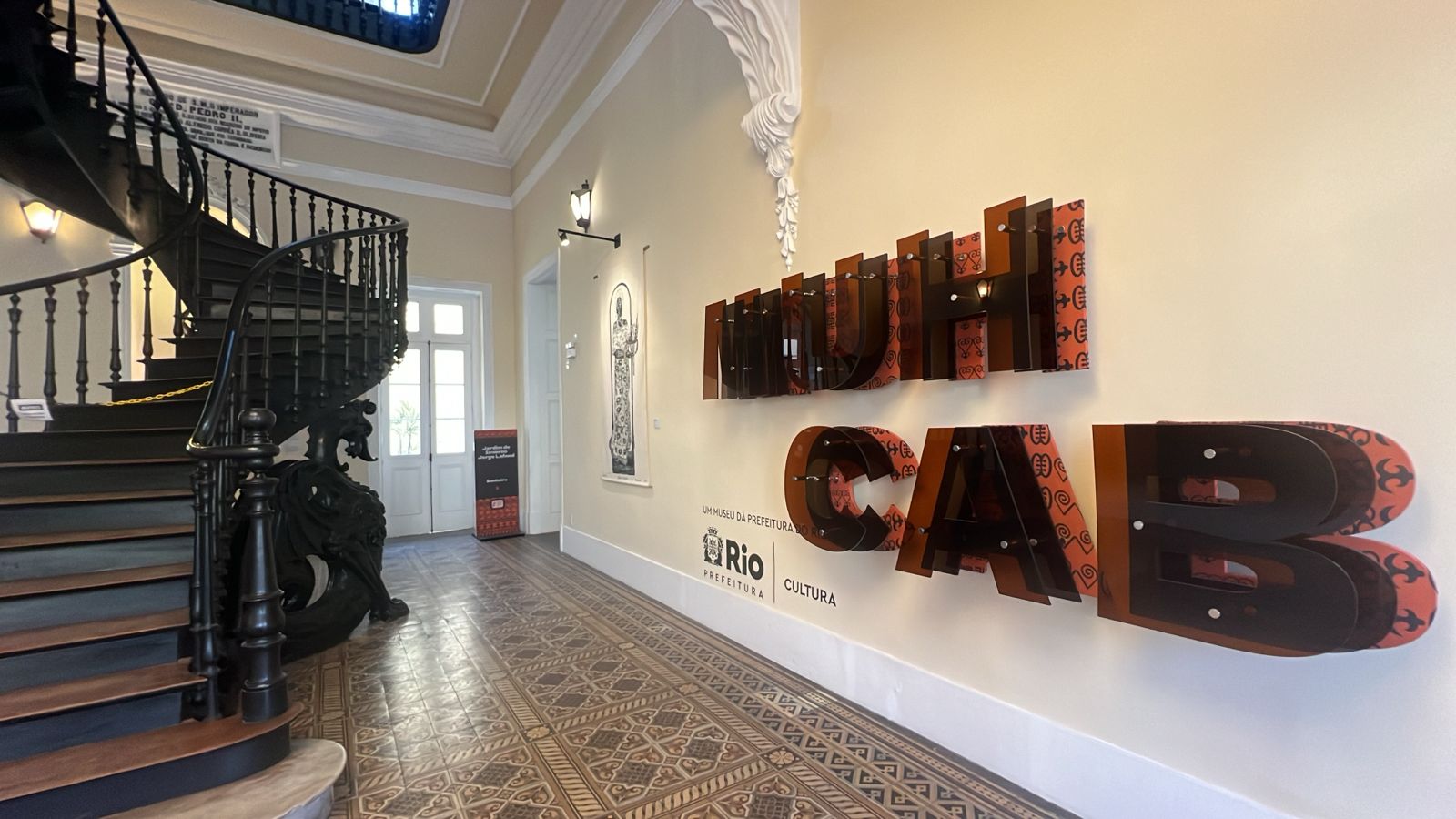
The headquarters occupies a historic Gamboa building that was a school. Its transformation into a museum created a public space for exhibitions, gatherings, research and community activities.
More context
The architecture preserves its educational memory and now hosts projects related to identity, ancestry and Afro-Brazilian culture.
Brazil’s history through Black perspectives
Exhibitions question narratives that reduce Black experience to slavery alone. They also present creativity, knowledge, religion, work, politics, music, art, resistance and community building.
Cais do Valongo and the African diaspora
Cais do Valongo was one of the Americas’ main arrival ports for enslaved Africans. Its proximity makes MUHCAB an important starting point for understanding this history’s human and territorial dimensions.
A museum built with the community
MUHCAB defines itself through listening, participation and dialogue. Its activities strengthen ties with residents, artists, researchers, educators and Black movements.
A territorial museum
The territorial collection includes places, memories, routes, practices and communities. This means the collection extends through Pequena África’s streets.
Why is it worth visiting?
It is essential for understanding a part of Rio long hidden in traditional tourist narratives. It is also an excellent starting point for exploring Pequena África.

My tip
Do not visit only the building. Start at MUHCAB and continue through Pequena África to Cais do Valongo, Pedra do Sal and Largo de São Francisco da Prainha.