
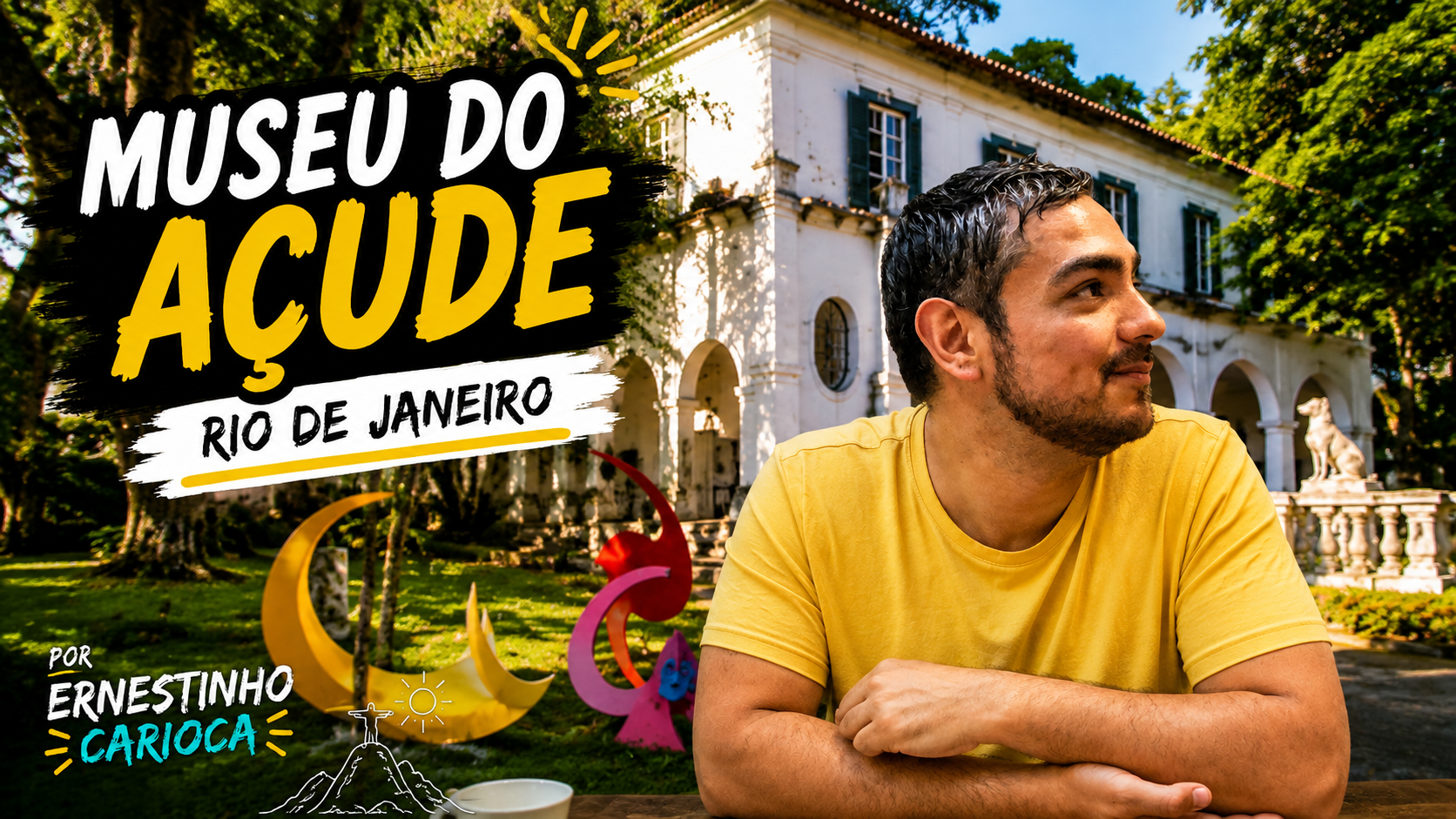
Museu do Açude occupies a former residence of Raymundo Ottoni de Castro Maya in Alto da Boa Vista, surrounded by gardens and Atlantic Forest. It is a different kind of museum: the experience extends beyond indoor rooms, as buildings, trails, vegetation, fountains, tiles and outdoor artworks form part of the visit.
A historic residence, gardens, tiles, Asian art and nature inside Tijuca Forest.
What you will find
A historic Neo-Colonial residence. Gardens inside Tijuca Forest. Decorative tile panels and pieces. Fountains and decorative elements. Furniture and collectible objects. Asian artworks. Outdoor sculptures and installations. Trails and paths through vegetation. Rooms associated with Castro Maya’s life. An experience combining museum and nature.
What you may not know
It forms part of Museus Castro Maya alongside Museu Chácara do Céu. The property is inside Tijuca Forest. The grounds cover approximately 150,000 square metres. The collection grew from Raymundo Ottoni de Castro Maya’s personal interests. The museum was protected as heritage by Iphan. An important part of the experience takes place in the gardens.
History
Raymundo Ottoni de Castro Maya was a businessman, collector and important figure in 20th-century Rio cultural life. He gathered Brazilian and European artworks, furniture, decorative objects, books, tiles and Asian art. He also participated in projects preserving heritage and promoting Rio de Janeiro’s culture.
More context
His collections and residences became Museus Castro Maya, comprising Museu do Açude in Alto da Boa Vista and Museu Chácara do Céu in Santa Teresa. Both spaces help explain the collector’s personality, interests and way of life.
A house integrated with Tijuca Forest
Museu do Açude lies within an extensive green area of Tijuca Forest. The former residence, inspired by Neo-Colonial architecture, integrates with courtyards, gardens, paths and vegetation, creating an unusual combination of architectural heritage and nature.
More context
The visit shows how the residences of Rio’s privileged groups related to Alto da Boa Vista’s landscape. At different times, families sought this area to escape the heat and bustle of the city’s central districts.
Tiles, fountains, gardens and outdoor artworks
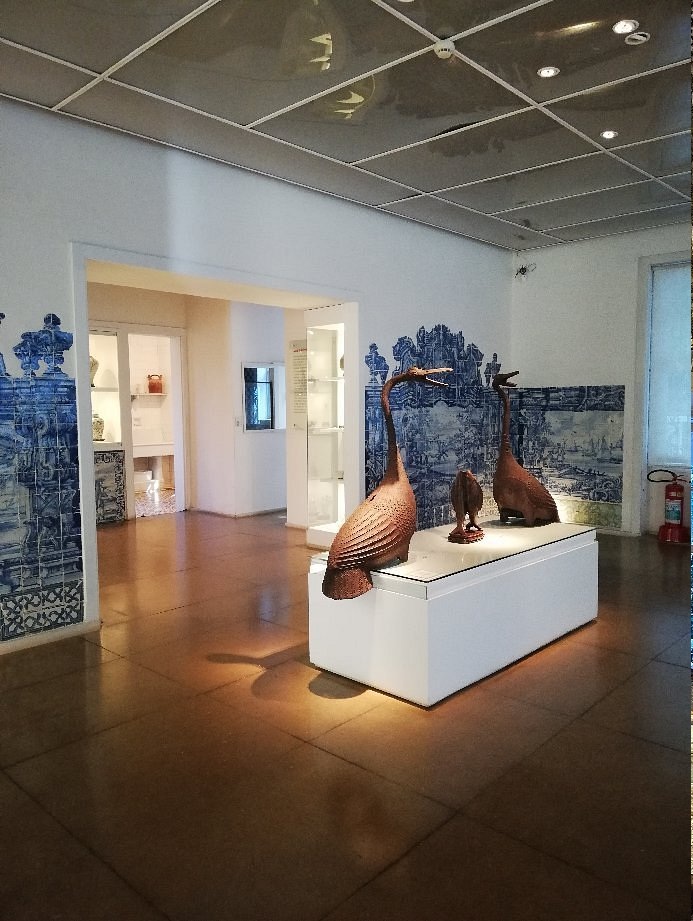
One of the museum’s most distinctive elements is its relationship with decorative tilework. Panels, fountains, decorative structures and pieces integrated into the garden make the outdoor route an extension of the galleries. Contemporary art installations can also be found across the grounds.
Collections spanning Brazil, Europe and Asia
The collection reflects Castro Maya’s varied interests. It includes furniture, decorative objects, Asian art, porcelain, sculptures and items linked to collecting history. The arrangement of rooms helps you imagine how the house was used before becoming a museum.
A museum where the landscape is also heritage
At Museu do Açude, trees, gardens and paths are more than a backdrop. The relationship between art, architecture and nature is a main theme of the experience, revealing a quieter, less-known side of Rio de Janeiro.
Why is it worth visiting?
Ideal for those wishing to escape crowded attractions and discover a quiet place in Tijuca Forest. The historic residence, private collection, gardens and vegetation make it very different from a traditional urban museum.

My tip
Do not go without confirming opening. Because it is in a remote green area, you could lose considerable time if a section is closed. Choose a dry day, wear comfortable shoes, bring insect repellent and combine it with other places in Alto da Boa Vista or Tijuca Forest.