

Hi! I'm Ernestinho Carioc-IA. I can help you find the Rio guide you need. Where should we start?
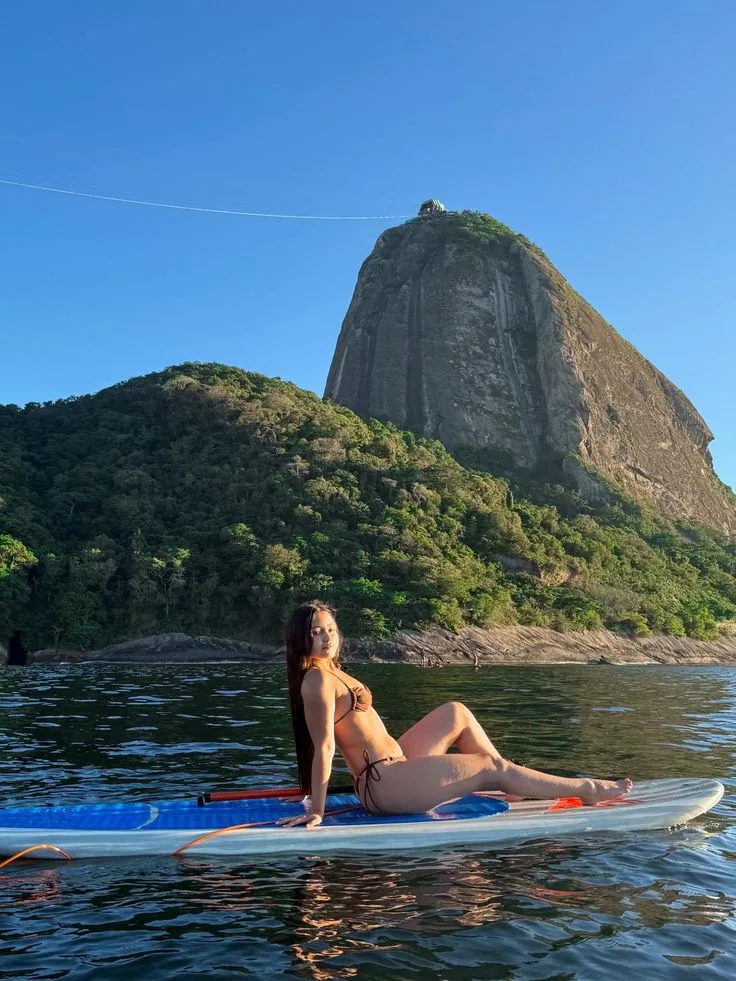
A curve of reddish sand between hills beneath Pão de Açúcar: this beach invites you to discover history, nature and Rio's everyday rituals.
Urca · Praça General TibúrcioWalking and natureCable car nearby
01
The landscape: small beach, enormous hills
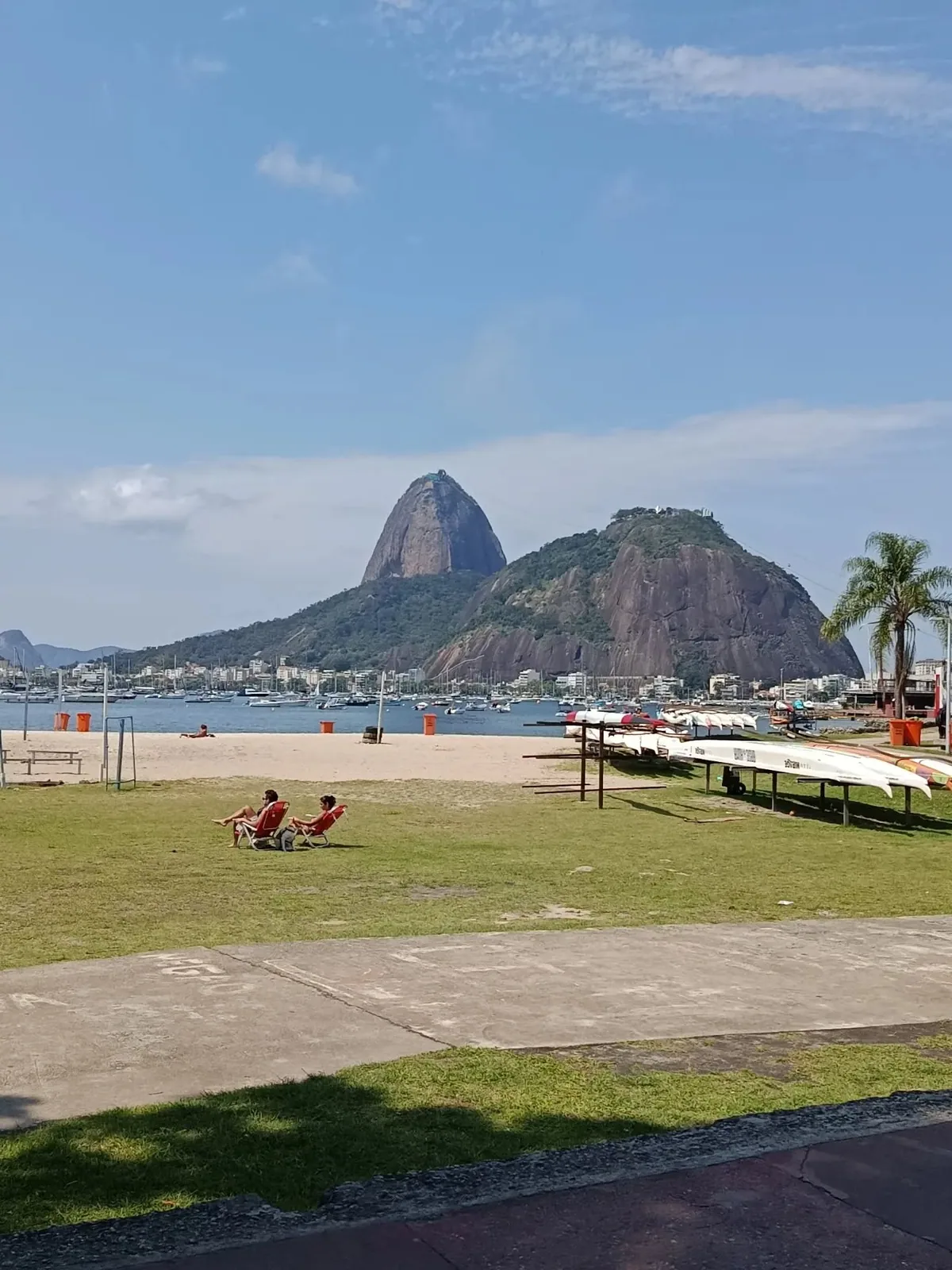
Praia Vermelha sits in Urca among huge rock formations and vegetation. Red-gold sand faces a small cove beneath Pão de Açúcar. Take a moment to look around before heading onto the sand.
The name is generally linked to the reddish color of the coarser sand in sunlight. The beach is compact, but not always quiet: weekends and holidays can get busy.

02
A beach surrounded by centuries of history
Rio's colonial history began in this area: the city was founded in 1565 near Urca and today's Fortaleza de São João. That did not happen precisely on Praia Vermelha's sand, but it shows why these hills matter.
The old Praia Vermelha Military School was involved in a 1904 uprising associated with the Revolta da Vacina. UFRJ historical research documents this event. There's much more than beach scenery here.

03
Beach life at an easy pace
On the sand you'll find families, umbrellas, people relaxing and visitors arriving after a walk through Urca. It's easy to combine beach time with nearby sightseeing.
Services, rentals and vendors vary. Ask prices before renting chairs or umbrellas and watch your belongings. Even when the cove looks calm, check water conditions.


Before settling on the beach, check available toilets, shade and exactly what is included when renting chairs or umbrellas. With children, choose an easy-to-find meeting point and watch the rocks and water.
If visiting with pets, check current city rules and local signs before bringing them onto the sand. Respect other visitors, bring water and waste bags, and don't assume every beach follows identical rules.
04
Kayaking and SUP beneath Pão de Açúcar
The photos show paddleboarders and people rowing near the hills. Views from the water can be spectacular, but conditions depend on wind, currents and boat traffic.
Don't assume daily rentals are available. Check the operator, safety equipment and current conditions. Avoid venturing far alone: a calm-looking cove can change.


05
Cláudio Coutinho Path: nature steps from the sand
At one end begins the Cláudio Coutinho Path, also called Caminho do Bem-te-Vi. Riotur describes approximately 1.25 km with ocean on one side and Atlantic Forest on the other. It's a wonderful combination of scenery and walking.
The Natural Monument lists free entry and normal hours of 6 a.m. to 6 p.m., subject to changes. Bikes, skateboards and skates are prohibited. The more demanding Morro da Urca trail also starts from this path.

06
Is swimming safe? Check INEA
Calm-looking water does not guarantee good bathing quality. Praia Vermelha lies near Guanabara Bay and conditions vary. Check current INEA bathing-water notices, flags and lifeguards before swimming.
INEA advises avoiding swimming for 24 hours after heavy rain and near stormwater outlets. If water is unsuitable, you can still enjoy the beach, square and walk without swimming.
Surf conditions and water quality are different questions: even small waves do not guarantee safe bathing. Check INEA reports, currents, swell, lightning and lifeguard guidance. See our separate sea-conditions guide.
07
Getting here and nearby ideas
Praia Vermelha is by Praça General Tibúrcio near the Pão de Açúcar cable-car station. Arrive by ride-hailing or public transport plus a short walk. Check current routes and remember that parking can be difficult.
My suggested route: the square, beach, Cláudio Coutinho Path and, depending on time and budget, the cable car. Continue exploring Urca afterward. Path, hiking trail and cable car have separate rules and opening hours.


Official sources for an up-to-date visit
Riotur ↗ · Monumento Natural ↗ · INEA ↗ · UFRJ ↗
MetrôRio ↗ · Estado del mar ↗ · Mascotas en Río ↗ · Riotur · Praia Vermelha ↗
Map and location
KEEP EXPLORING RIO
From the beach to Urca's trails.
