
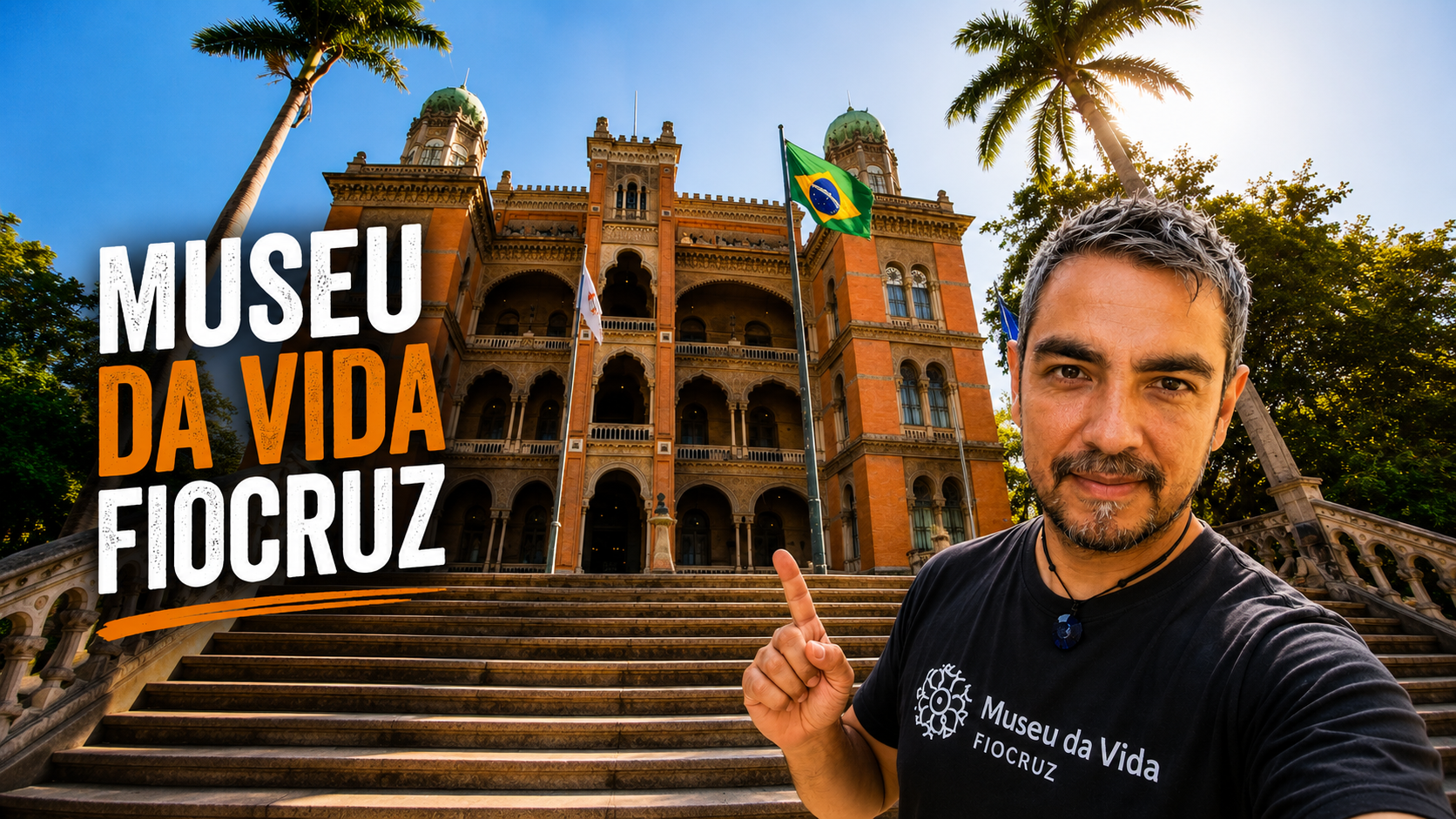
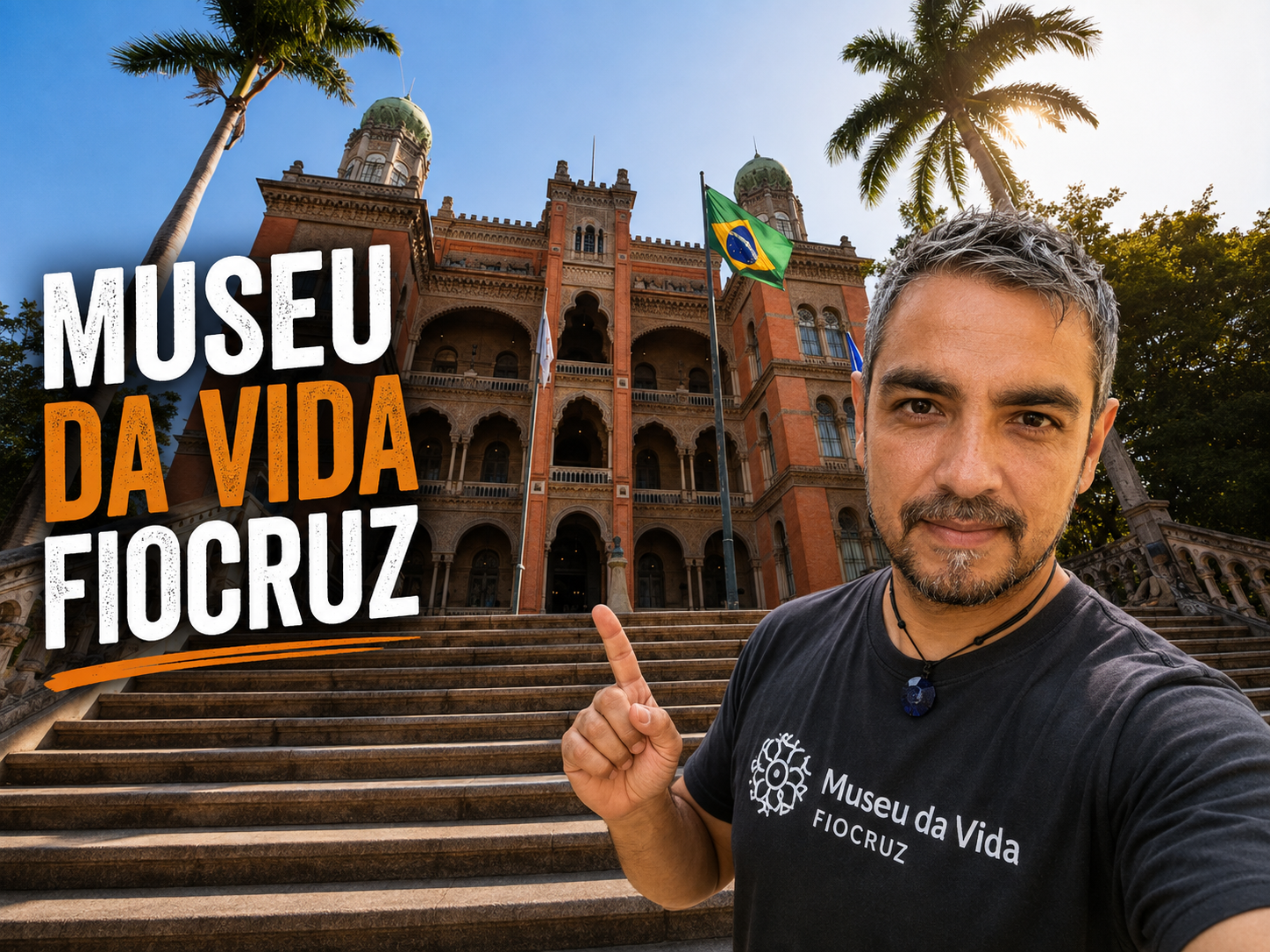
Museu da Vida Fiocruz is a science communication space covering health, biology, medicine, the environment and society. Its exhibitions and activities are spread across the historic Fundação Oswaldo Cruz campus, also home to the famous Castelo Mourisco.
Science, health, Oswaldo Cruz, family activities and the historic Castelo Mourisco.
What you will find
Exhibitions on science and health. Interactive activities. Experiments and games. History of Oswaldo Cruz. Information on vaccines and epidemics. Science theater. Family workshops. Historic Fiocruz spaces. Visits to Castelo Mourisco subject to availability. Special holiday programs.
What you may not know
It is part of Casa de Oswaldo Cruz. It operates on the Fiocruz campus. Castelo Mourisco is a symbol of Brazilian science. Activities combine health, science, art and education. Admission is free. The Borboletário is temporarily closed.
History
Fundação Oswaldo Cruz grew from efforts to combat epidemics and improve public health in the early 20th century. Scientists such as Oswaldo Cruz developed research and campaigns that transformed Brazilian medicine.
More context
Museu da Vida was created to bring this knowledge to the public through exhibitions, games, theater, experiments, workshops and visits to historic spaces.
The Manguinhos campus and Castelo Mourisco
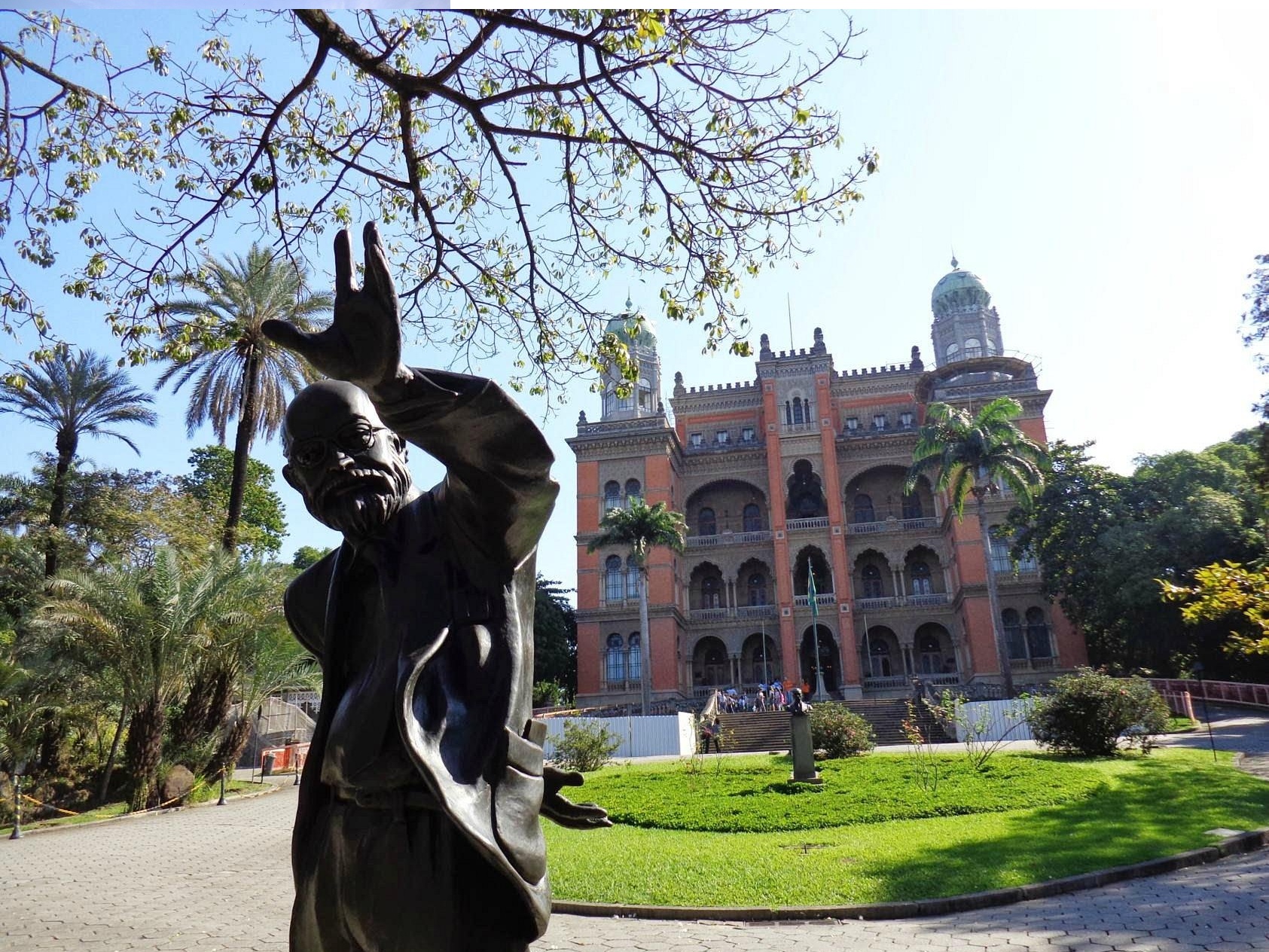
Fiocruz's best-known symbol is Castelo Mourisco, built during the early decades of the 20th century. Its architecture combines Eastern and European influences and has become an emblem of Brazilian science.
More context
The visit lets you explore different campus spaces and understand how science, architecture, public health and historic heritage connect.
Learning through experiences and activities
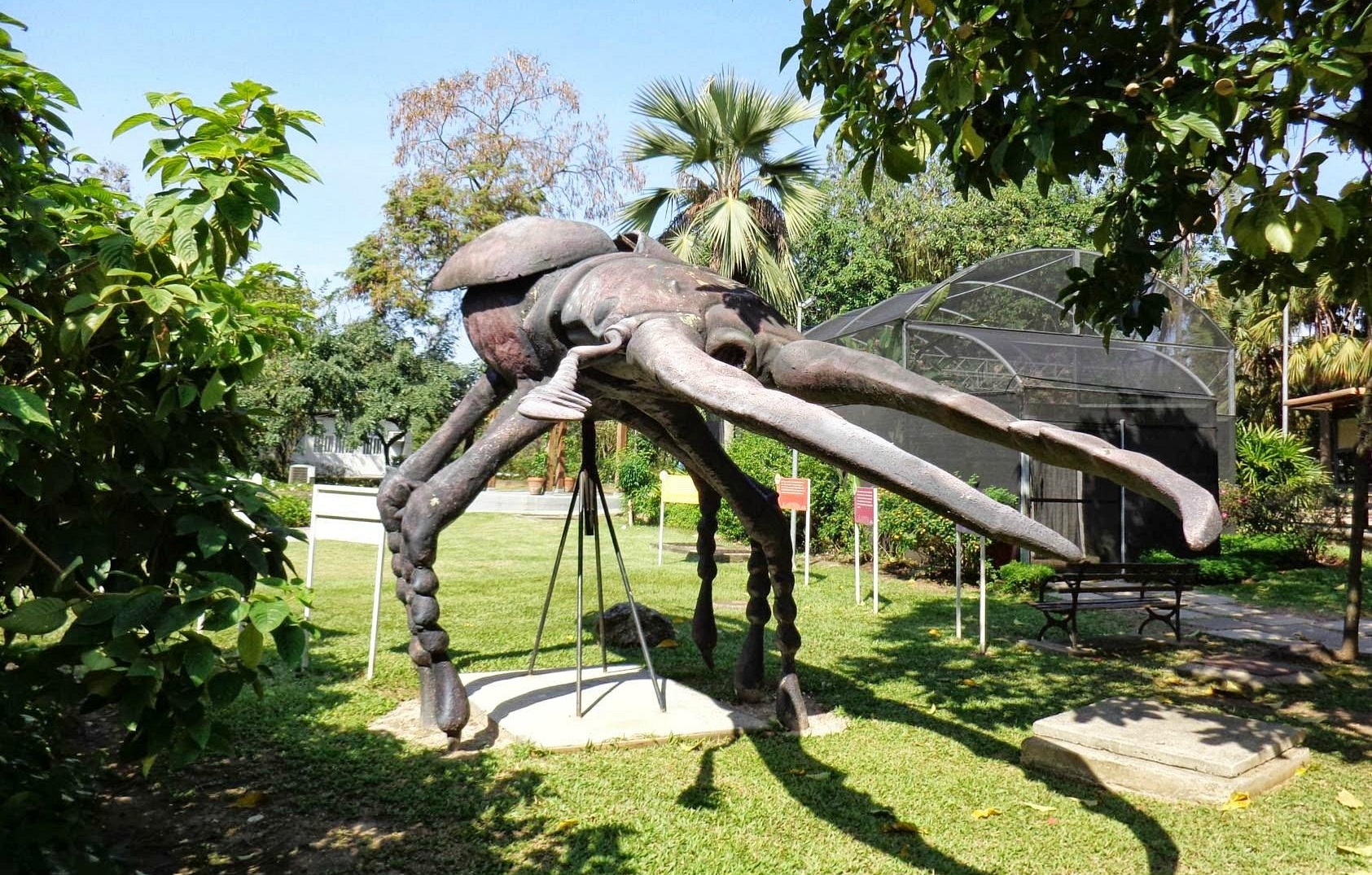
Exhibitions use models, games, experiences, audiovisual resources and guided activities. Topics include the human body, microorganisms, biodiversity, diseases, vaccines and scientific development.
Oswaldo Cruz and the fight against epidemics
The visit explores campaigns against diseases such as yellow fever, bubonic plague and smallpox. It also shows the social conflicts that arose during public health modernization.
Theater, science and children's activities
The museum offers shows, workshops and experiences for different audiences. The day's program therefore strongly influences the length and content of a visit.
Science connected to society
The approach does not present science in isolation. Health, inequality, territory, the environment and public policy are connected with everyday life.
Why is it worth visiting?
It is free, educational and especially appealing to families. It also lets you explore one of Rio's most historic and visually impressive science campuses.
My tip
Arrive early: activities are spread across the campus and this is not a quick visit. Check which spaces will be open, as the Castelo and other attractions may have specific hours.