
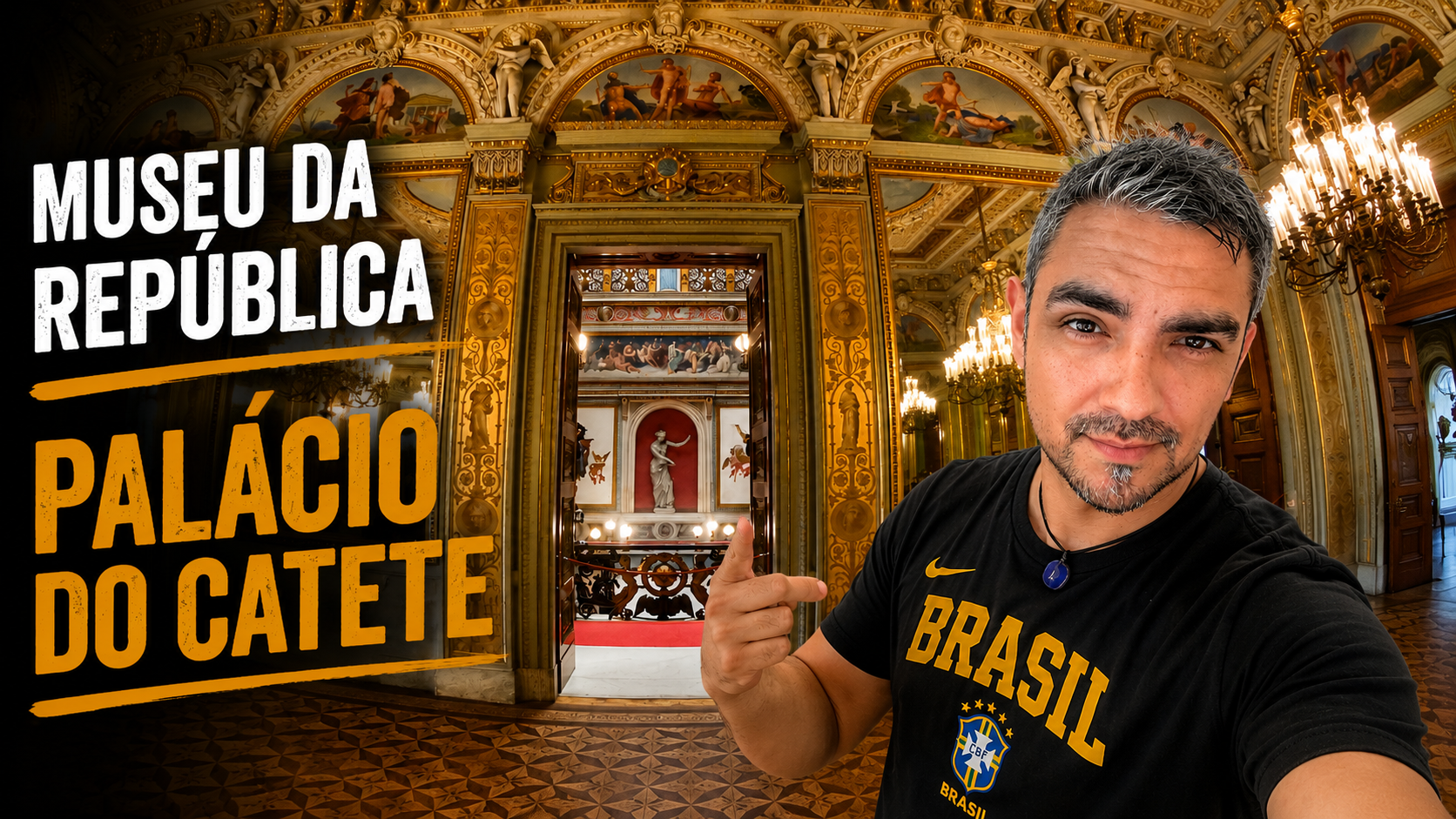
The Museu da República occupies the Palácio do Catete, the former seat of Brazil’s presidency. Its rooms, halls, objects, documents and gardens explore republican political life from the late nineteenth century until the capital moved to Brasília.
Presidential palace, republican history, Getúlio Vargas’s bedroom and historic gardens.
What you will find
Halls of the former presidential palace. Historic furniture and objects. Paintings and sculptures. Documents of Brazilian presidents. Getúlio Vargas’s bedroom. Information about the Republic. Historic gardens. Ponds, bridges and outdoor sculptures. Temporary exhibitions. Cultural activities.
What you may not know
It was the residence of the Barão de Nova Friburgo. It became the presidential seat in 1897. It was used by 18 presidents. Getúlio Vargas died in the palace in 1954. The capital moved to Brasília in 1960. The gardens open daily.
History
The building was constructed between 1858 and 1867 as the residence of António Clemente Pinto, the Barão de Nova Friburgo. His wealth came mainly from agricultural and commercial activities during the Empire.
More context
The residence was decorated with valuable materials, furniture and artworks. After passing through several owners, it was purchased by the federal government.
The seat of Brazil’s presidency
In 1897, the Palácio do Catete became the seat of the Presidency of the Republic. For more than six decades it hosted meetings, political decisions, receptions and national crises.
More context
Eighteen presidents used the palace before the capital moved to Brasília in 1960. After that move, the building became a museum.
Halls that preserve their presidential appearance
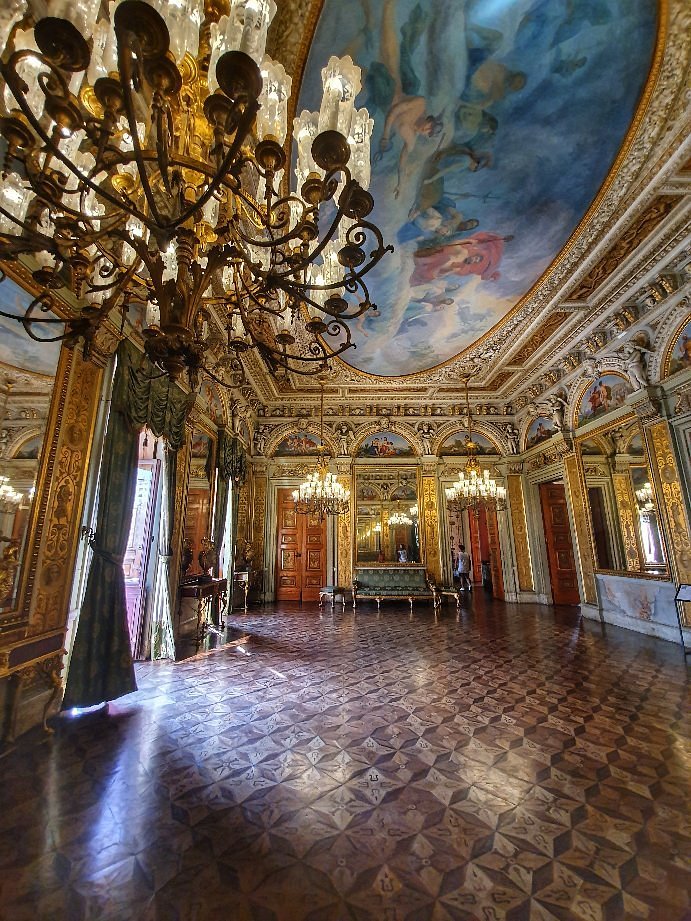
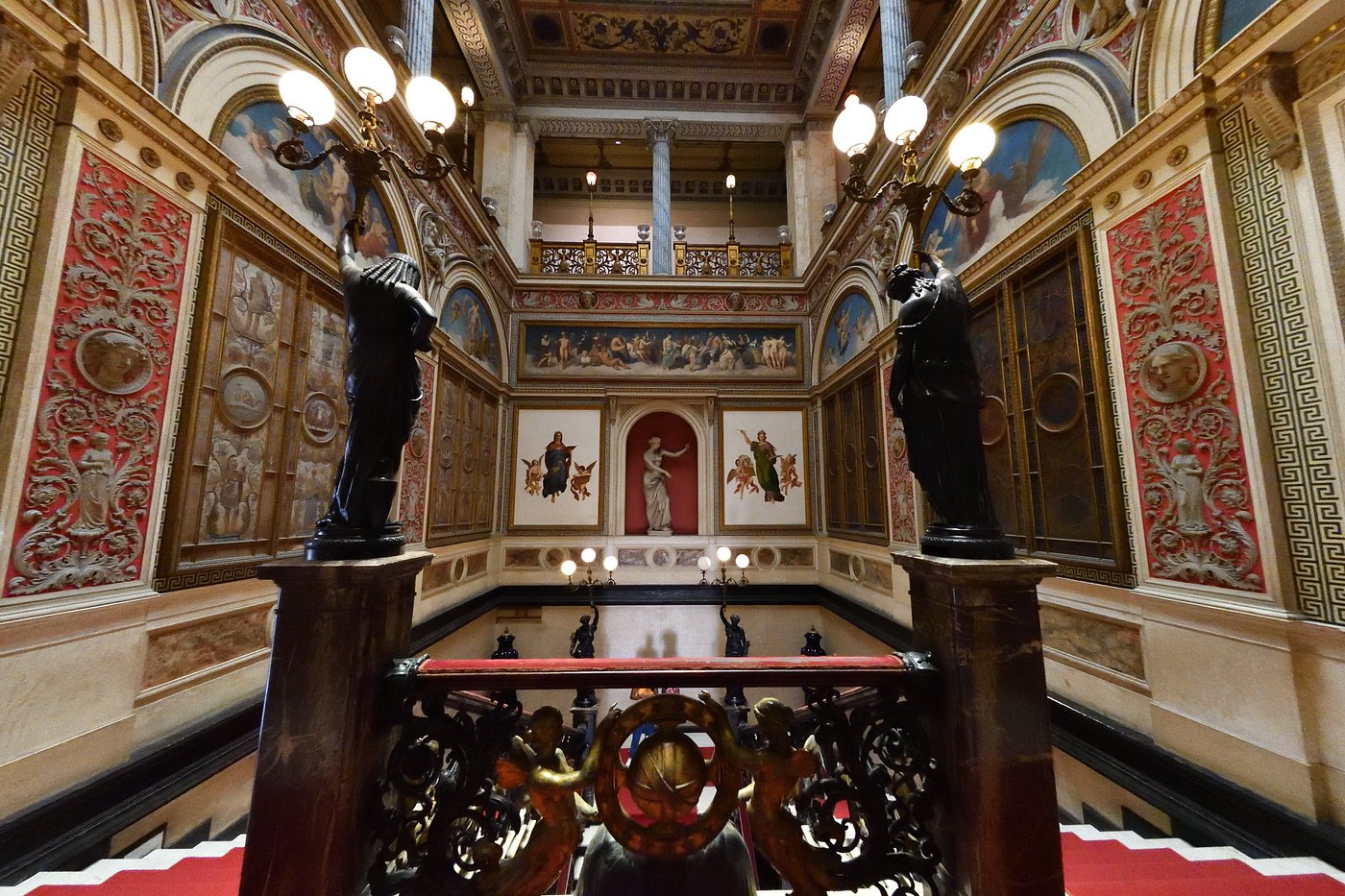
The visit takes you through ceremonial halls, furniture, paintings, sculptures, decorative objects and spaces used by presidents and officials.
Getúlio Vargas and the presidential bedroom
The best-known episode occurred on 24 August 1954, when President Getúlio Vargas took his own life in his bedroom. The room preserves objects associated with his final moments and has become one of the museum’s most moving spaces.
The Palácio do Catete gardens
The gardens have ponds, bridges, sculptures, trees and paths. Residents and visitors use them daily, even when the interior rooms are closed.
Museum, cinema and cultural space
The complex also hosts exhibitions, educational activities, fairs and cultural events. Its programme makes the former presidential palace an active public space.
Why is it worth visiting?
It combines architecture, political history, gardens and an easily accessible location. It is one of Rio’s best free visits for understanding republican history.
My tip
Do not limit yourself to the palace. After visiting Getúlio Vargas’s bedroom, explore the gardens and continue to the Museu de Folclore Edison Carneiro, practically next door.