

Museu Aeroespacial, known as MUSAL, is Brazil's largest and most important museum dedicated to military aviation. It is based at Campo dos Afonsos, a fundamental site in the birth and development of Brazilian aviation. Its large hangars hold aircraft, engines, uniforms, documents, photographs and historic objects.
Large hangars, historic aircraft, military aviation, engines and technological development.
What you will find
Historic planes and helicopters. Civil and military aircraft. Engines and aircraft components. Uniforms and flight equipment. Photographs and documents. References to Santos-Dumont. History of Correio Aéreo Militar. History of Força Aérea Brasileira. Exhibitions on aviation technology. Large hangars and outdoor areas.
What you may not know
It opened on October 18, 1976. It originally opened with 42 aircraft. It is at Campo dos Afonsos, the birthplace of Brazilian military aviation. It is Brazil's largest military aviation museum. Part of the collection relates to Correio Aéreo Nacional history. The location itself has historic value.
History
The idea of a Brazilian aviation museum gained momentum in the 1940s as concern grew over preserving aircraft, documents and objects from the early years of national aviation. After years of organizing and recovering items, Museu Aeroespacial opened on October 18, 1976.
More context
The museum opened with 42 aircraft. Since then, its collection has grown to represent different stages of civil and military aviation, from early flying experiments to transport, training, combat and rescue aircraft.
Campo dos Afonsos: the birthplace of Brazilian military aviation
MUSAL's location has its own historical significance. Campo dos Afonsos hosted aviation schools, military units and decisive events in the training of pilots and specialists. Escola Brasileira de Aviação began operating there in 1914.
More context
Visiting the museum means exploring a place not built solely to display aircraft. Many events presented in the galleries happened at Campo dos Afonsos itself, making the location part of the collection.
Hangars filled with historic aircraft
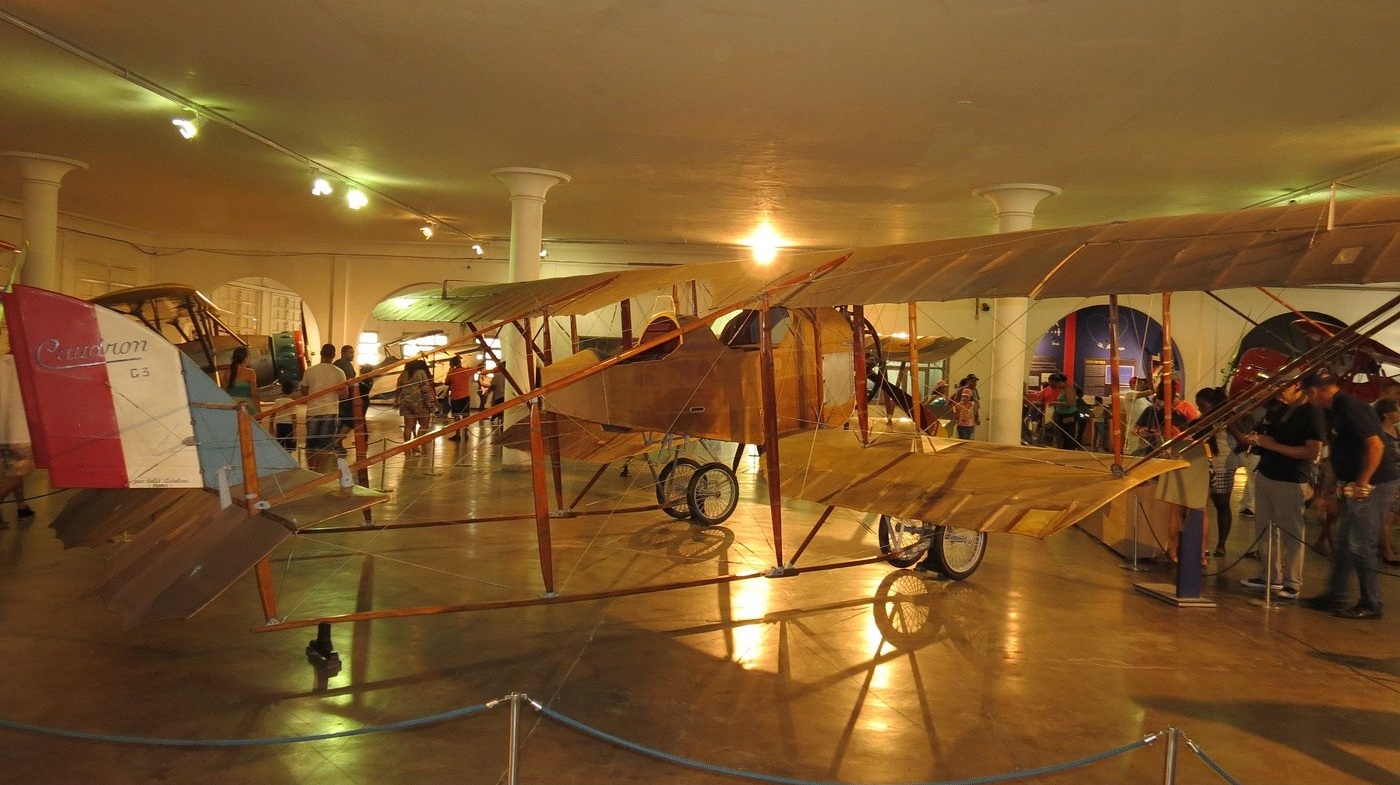
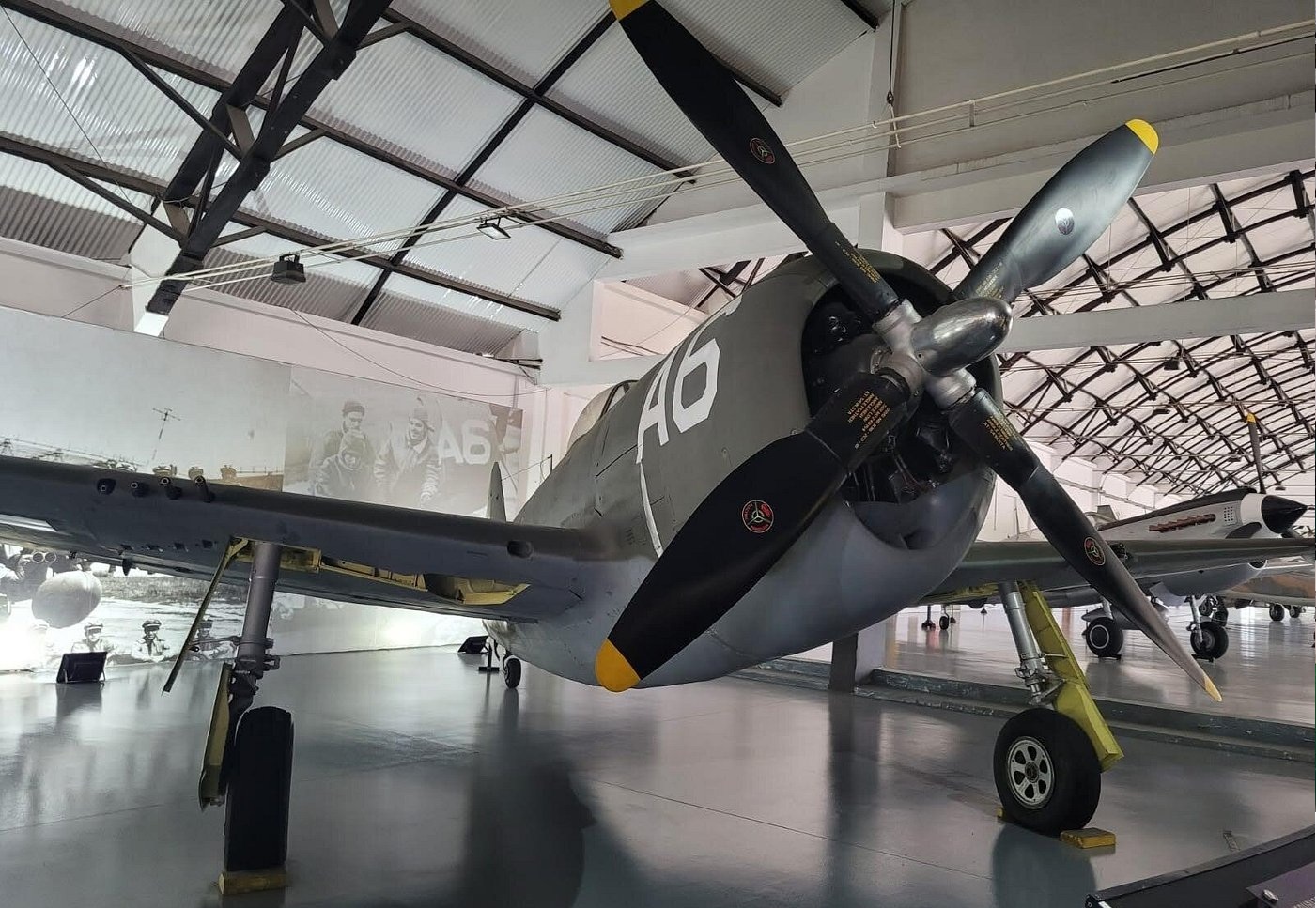
For many visitors, the most impressive part is the hangars with aircraft and helicopters of different sizes. Some allow a close look at engines, cockpits, propellers, fuselages, weapons and technical solutions from different periods.
From flight pioneers to the national aviation industry
Exhibitions explore pioneers such as Alberto Santos-Dumont, the development of Correio Aéreo Militar, the creation of Força Aérea Brasileira and the growth of the aviation industry. Aircraft such as the Embraer Bandeirante illustrate Brazil's technological achievements.
Aircraft involved in historic moments
The collection includes aircraft used for training, transport, patrols, combat and humanitarian missions. Some represent important chapters of World War II and Brazilian aviation's involvement in national and international operations.
A visit that also explores science and technology
Beyond military history, the museum explores the evolution of materials, navigation systems, engines and aircraft designs. It is especially appealing to children, students and anyone interested in engineering, mechanics and technology.
Documentation, library and preservation
MUSAL also preserves aviation archives, photographs, publications and documents. Its work includes research, aircraft restoration and preservation of items that would be difficult to find together elsewhere.
Why is it worth visiting?
The number of aircraft and size of the hangars make MUSAL different from traditional downtown museums. Even those with little aviation knowledge are often surprised by the planes' scale and the stories behind each model.

My tip
Do not plan MUSAL as a quick visit between two downtown attractions. It is far from the tourist area and huge. Set aside at least half a day, arrive early and, with children or aircraft enthusiasts, consider staying three hours.