
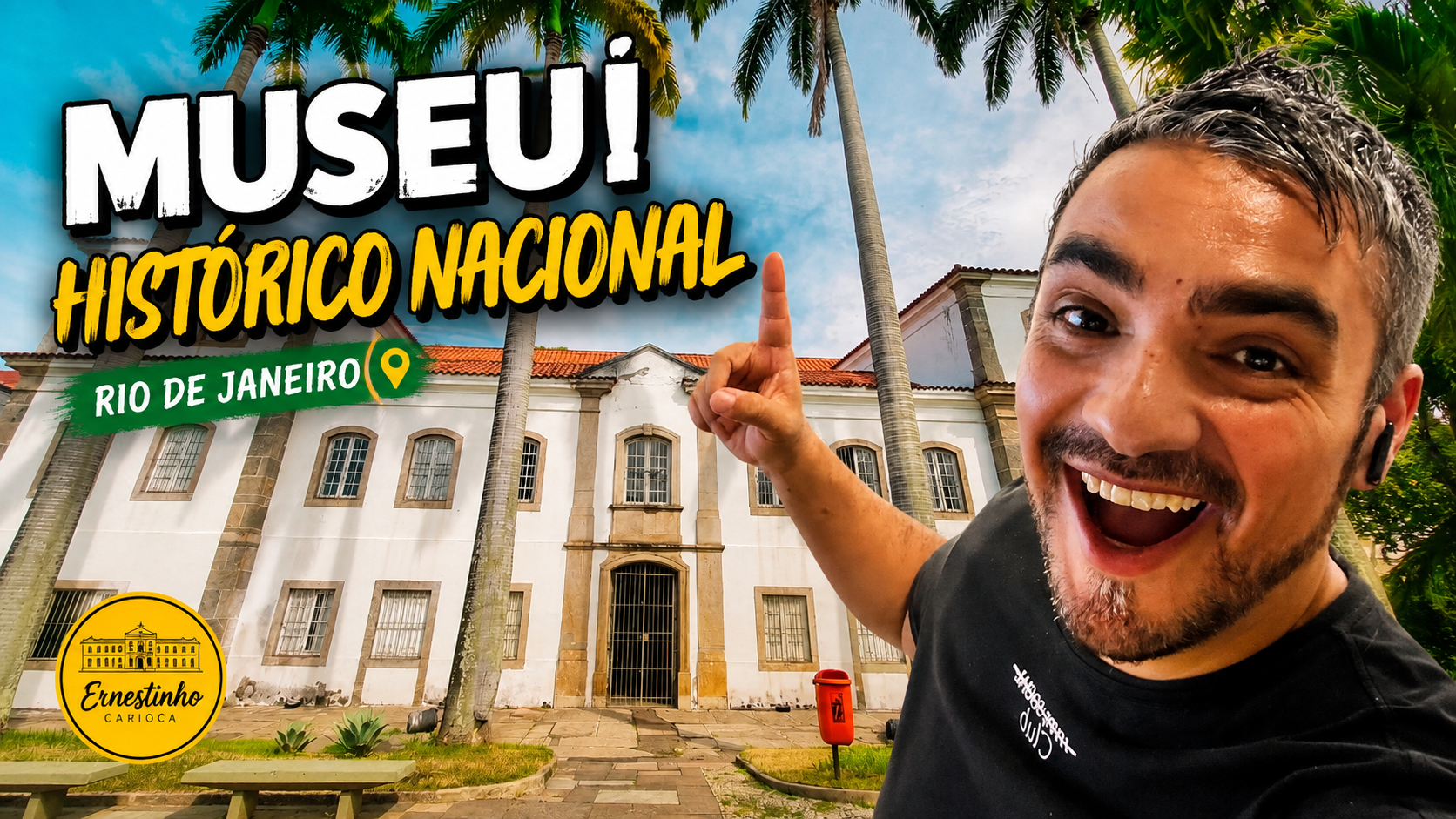
Museu Histórico Nacional is one of Rio’s most important places for learning Brazilian history through objects, documents, artworks and material evidence from different periods. Created in 1922 during the Independence centenary, it occupies a historic architectural complex in Centro and holds more than 300,000 pieces.
History, heritage, art, weapons, everyday objects and an important numismatic collection.
What you will find
Historical collections from different periods in Brazil. Paintings and sculptures. Weapons and military objects. Uniforms and historic equipment. Historic vehicles. Coins and medals. Porcelain and silver objects. Historic documents. Everyday objects. Historic architectural spaces.
What you may not know
It was created in 1922 during the Independence centenary. It opened on 12 October 1922. It occupies a historic architectural complex in Centro. The collection exceeds 300,000 pieces. It has an important numismatic collection. Architecture forms part of the historical experience.
History
Museu Histórico Nacional was born in 1922 during the Independence centenary. Rio was the federal capital, and the country sought to build and preserve national memory. It was officially created on 2 August 1922 and opened to the public on 12 October that year.
More context
The site’s history begins much earlier. The current complex is linked to Rio’s former military structures. Its location was strategic, near the old city’s entrance and the port area.
A place already part of history
The complex includes Forte de Santiago, Casa do Trem and the former Arsenal de Guerra. They served different functions over the centuries and reveal this area’s military and administrative importance.
More context
Forte de Santiago formed part of the city’s defensive system. Casa do Trem stored and maintained military material, while Arsenal de Guerra produced, repaired and stored equipment.
Architecture is also part of the visit
Over time the buildings’ original functions changed. When Museu Histórico Nacional occupied the complex, its architecture became essential to the experience. Visiting means more than entering an exhibition: it means exploring historic spaces that survived different periods of the city.
A collection of more than 300,000 pieces
The collection grew over decades and now holds more than 300,000 pieces: paintings, sculptures, weapons, uniforms, historic vehicles, coins, medals, porcelain, silver, documents and many everyday items.
Coins and medals telling another history
The numismatic collection stands out. Coins and medals show changes in Brazilian symbols, rulers and the economy. Small everyday objects reveal major national transformations.
Military history also explains the country
Military collections are important. Weapons, uniforms and equipment show the evolution of defence and conflicts in Brazil. The museum also presents social, cultural and economic aspects of different periods.
Everyday life also leaves traces
Everyday objects are another fascinating part. Porcelain, silver, furniture, decorative pieces and other items help you imagine life at different points in Brazilian history.
A museum that also researches and preserves
The museum conducts research, documentation and preservation. It has documentary collections and a specialist Brazilian History library, serving a role well beyond public exhibition.
Why is it worth visiting?
A major advantage is its broad historical perspective. Rather than focusing on one period, the visit connects different moments and shows Brazil’s political, social, economic and cultural changes.

My tip
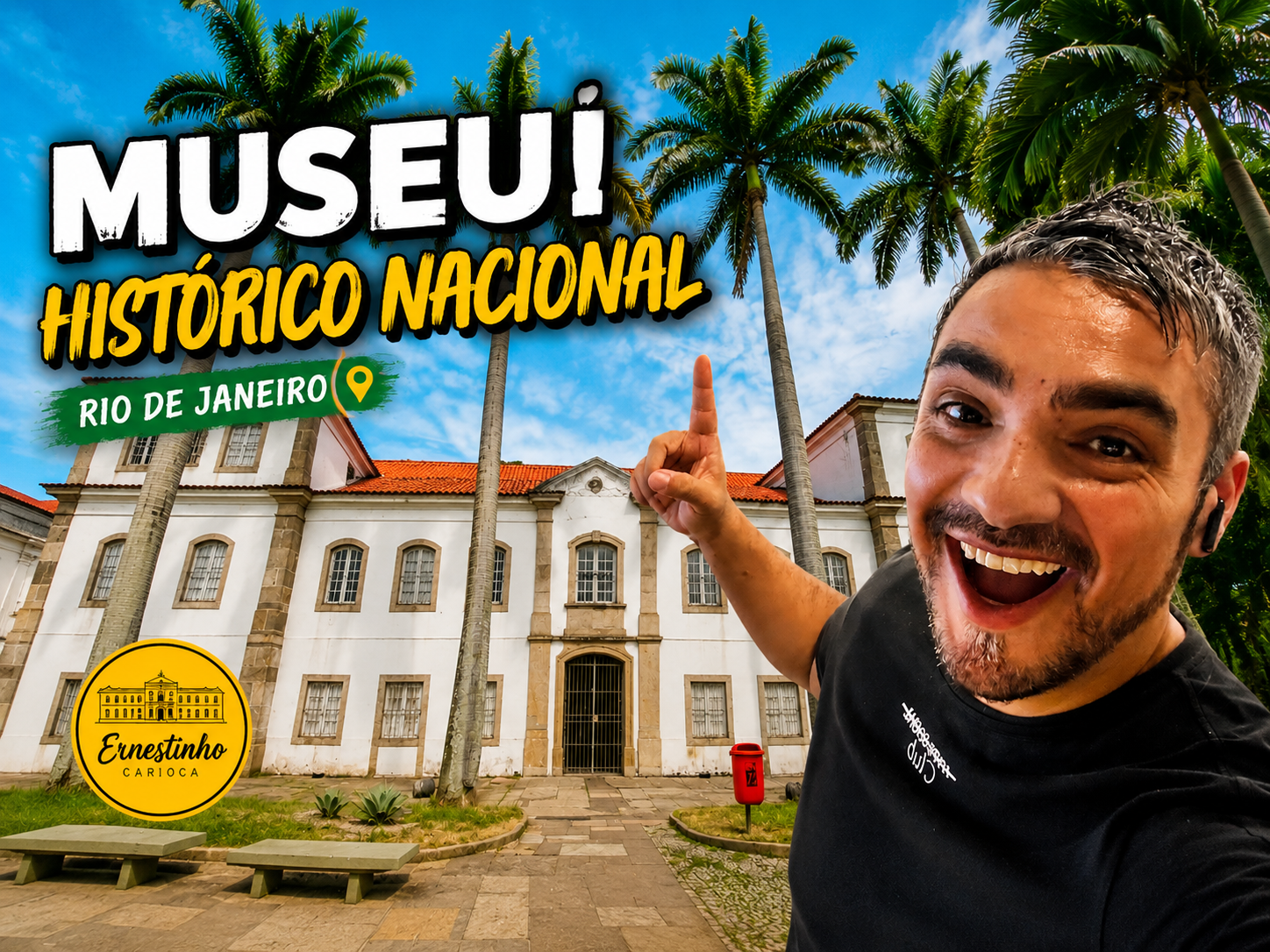
Do not come just for old objects. Observe courtyards, arches, walls and buildings: architecture is history. Combine it with Praça XV and CCBB to make the most of the day.