
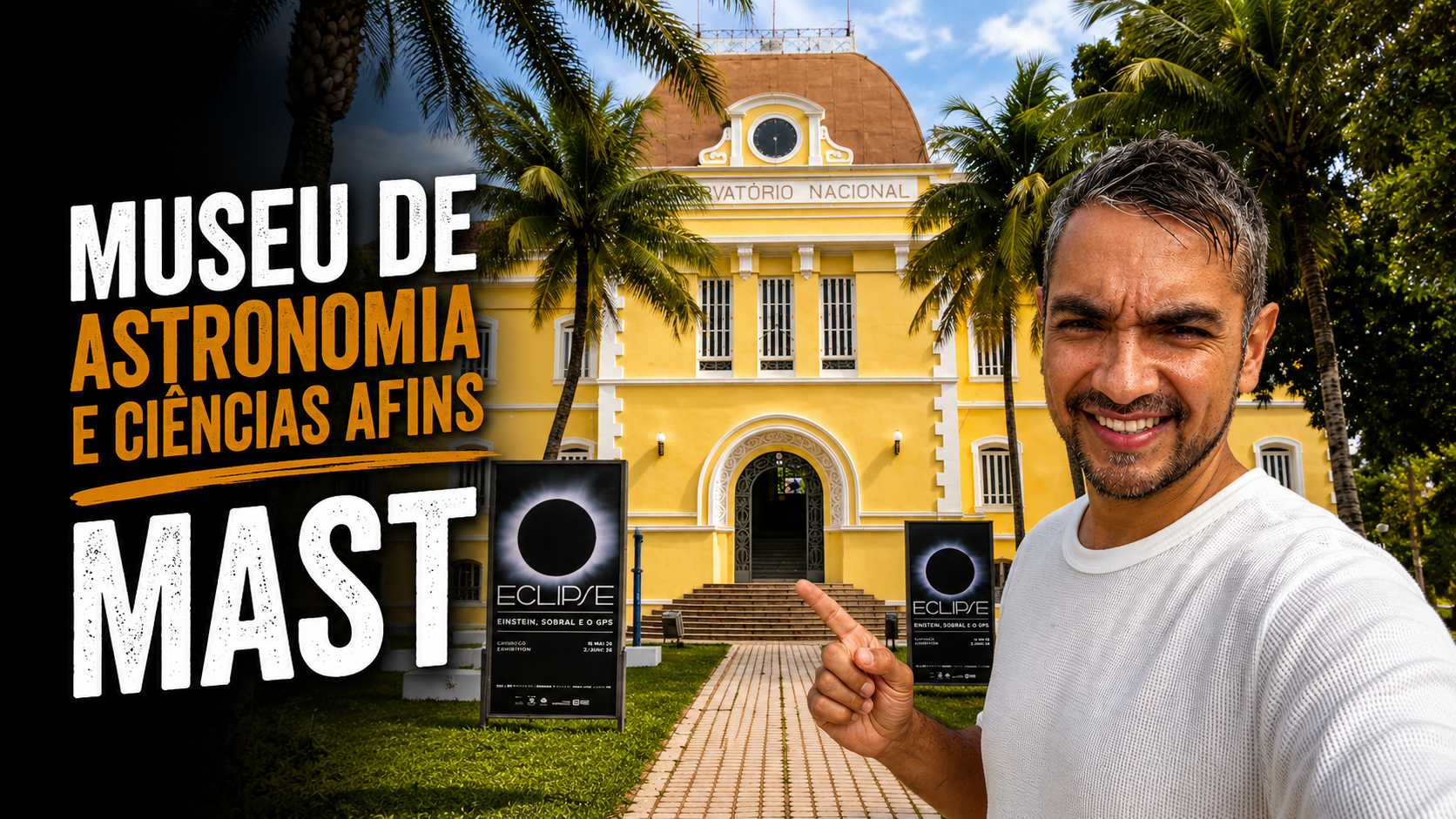
MAST is a museum and research centre dedicated to science history, astronomy and preserving scientific heritage. It operates on the historic campus of the former Observatório Nacional in São Cristóvão, preserving telescopes, refractors, measuring instruments, documents and scientific buildings.
Historic telescopes, astronomy, scientific heritage and sky observations.
What you will find
Historic telescopes and refractors. Observation domes. Scientific instruments. Clocks and measuring devices. Astronomy exhibitions. Science history in Brazil. Gardens and historic buildings. Educational workshops. Sky observations according to the programme. Family activities.
What you may not know
It operates on the former Observatório Nacional campus. It preserves one of Brazil’s most important historic scientific complexes. Several instruments remain in their original pavilions. Astronomy was used to determine official time. The museum is also a research institution. Night observations depend on weather.
History
The site’s history is linked to astronomy’s development in Brazil. Observatório Nacional originated in the 19th century and moved to Morro de São Januário in the early decades of the 20th century.
More context
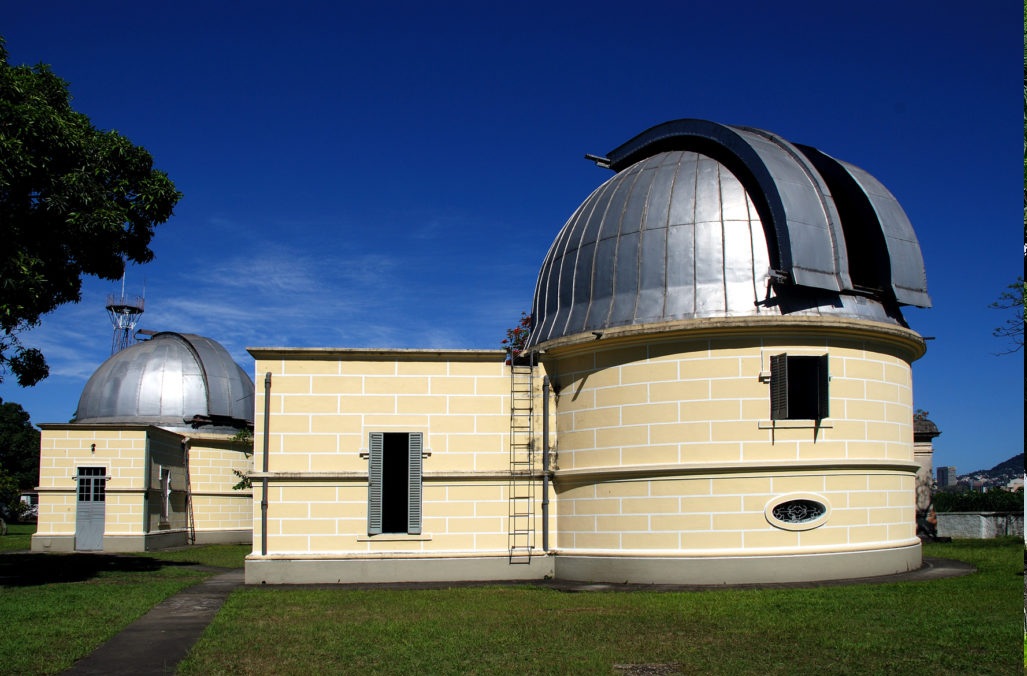
The complex was built for astronomical research, time measurement, meteorological observations and other scientific activities. Its pavilions and domes still preserve historic instruments.
A scientific campus protected as heritage
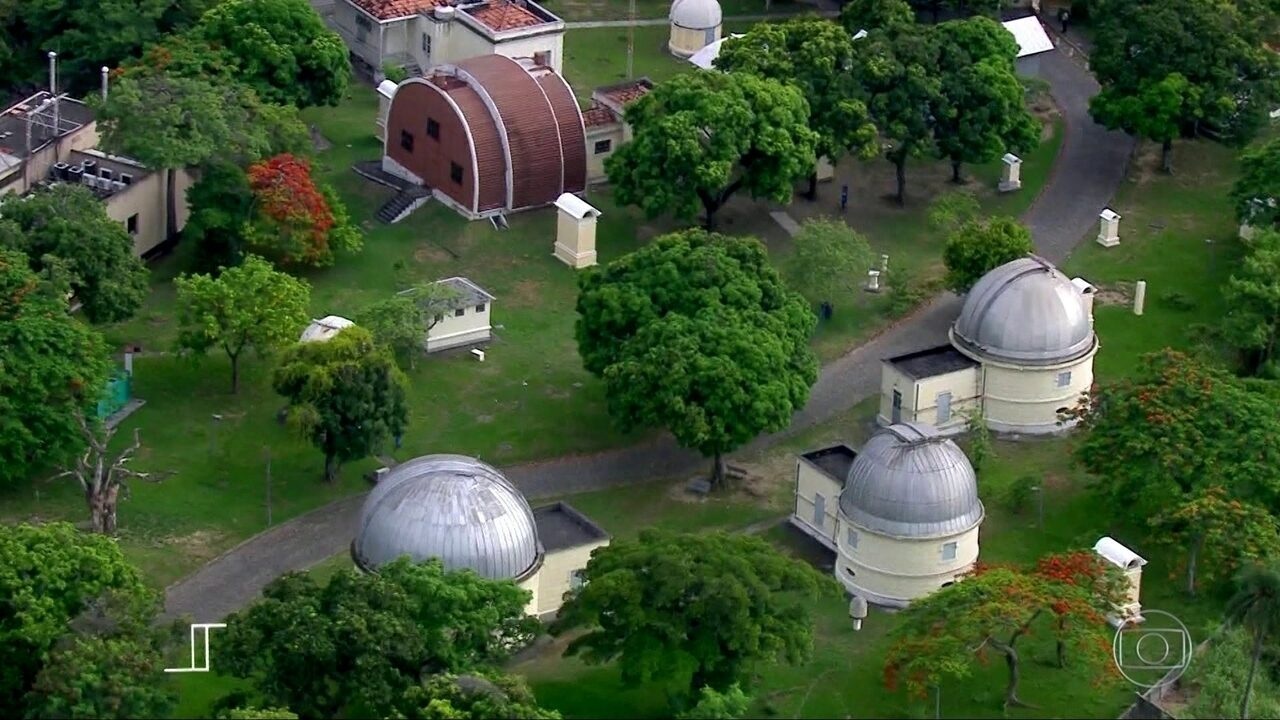
The buildings were arranged on elevated ground to allow observations and reduce interference. Pavilions, domes, offices and gardens form one of the country’s most important historic scientific complexes.
More context
Walking around the campus helps explain how a scientific institution worked before satellites, computers and automated telescopes.
Telescopes and instruments that measured the sky
The collection includes refractors, telescopes, transit instruments, clocks, chronographs, geodesy equipment and devices used to study the sky and determine positions and time.
Official time and astronomical observation
For decades, astronomical observations were essential for determining time, producing maps and supporting navigation. The instruments reveal this scientific work.
Sky observation and family activities
MAST organises telescope observations, guided visits, workshops and educational activities. Evening programming depends on weather and specific dates.
Museum and research centre
Besides welcoming visitors, MAST researches science history, museology, scientific heritage and instrument and document conservation.
Why is it worth visiting?
Ideal for astronomy enthusiasts and families with children. Instruments, historic buildings and sky observation create an unusual experience.
My tip
To observe the sky, check the schedule and weather forecast. A cloudy day may cancel observation even if exhibitions remain open.