
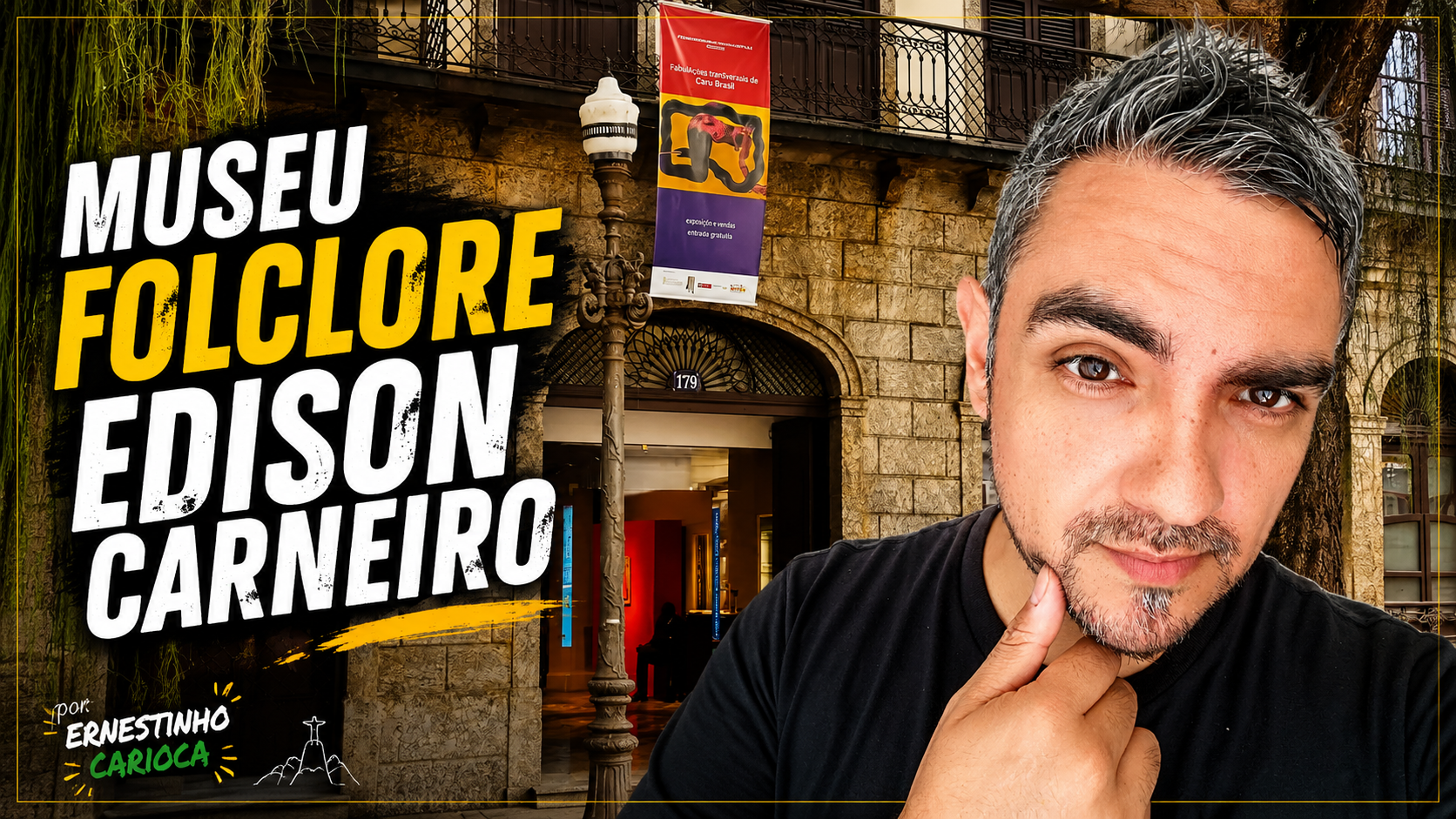
Museu de Folclore Edison Carneiro is one of Rio’s most interesting places for discovering Brazil’s enormous cultural diversity. Its collections bring together objects related to popular festivities, religion, music, cordel literature, crafts, toys, clothing, ceramics, sculptures and forms of expression created by communities across the country.
Popular culture, crafts, festivities, religion, cordel literature and traditional expressions from different Brazilian regions.
What you will find
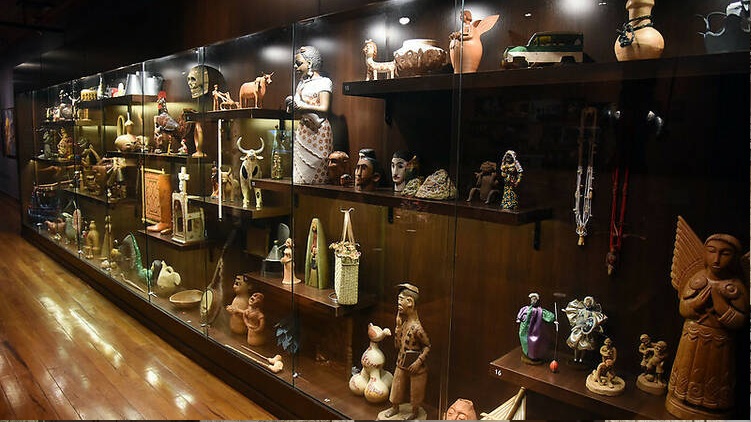
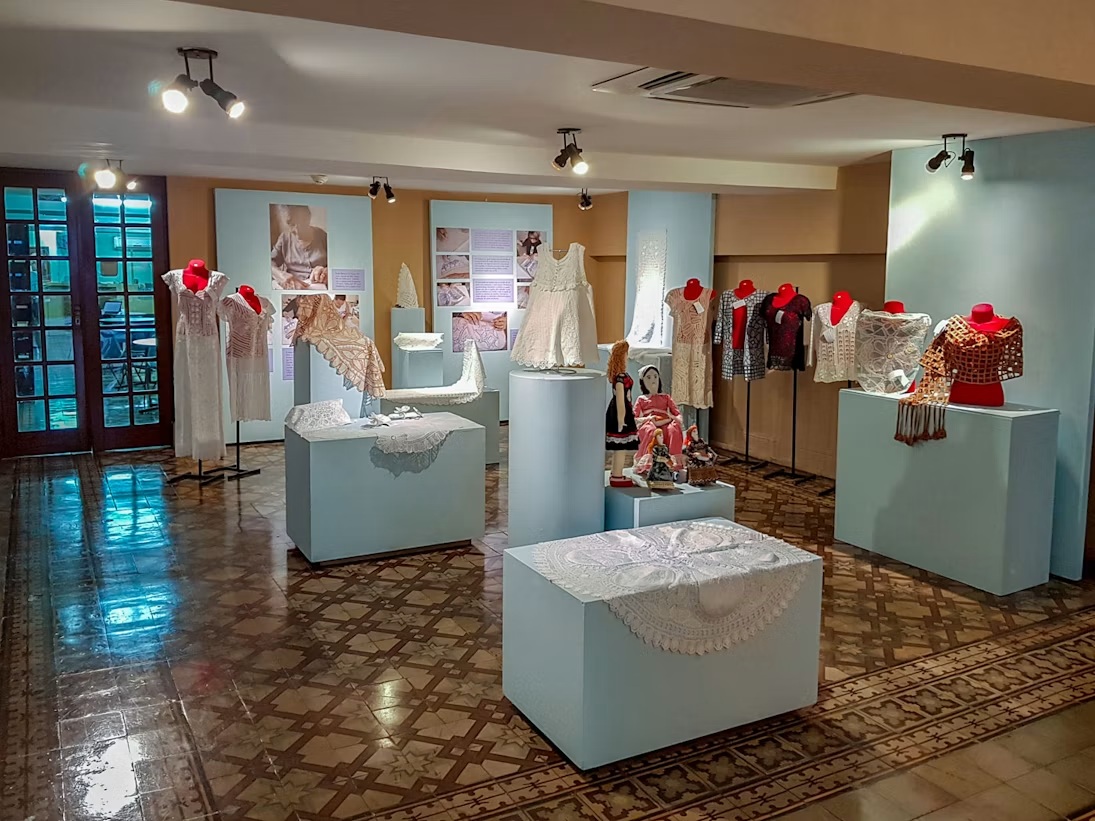
Objects related to popular festivities and celebrations. Ceramics, sculptures and craft pieces. Cordel literature and woodcuts. References to mamulengo and puppet theatres. Clothing and elements from different traditions. Works by Brazilian popular artists. Galeria Mestre Vitalino. Sala do Artista Popular. Temporary exhibitions. Craft and publication sales, when available.
What you may not know
The museum was created in 1968. Its name honours researcher Edison Carneiro. The collection holds around 17,000 objects. Storage collections are organised by the pieces’ materials. The centre also preserves important bibliographic and audiovisual collections. The visit shows that folklore is not only about the past: it continues to evolve.
History
Created in 1968, the museum forms part of Centro Nacional de Folclore e Cultura Popular, linked to Instituto do Patrimônio Histórico e Artístico Nacional. Its mission extends beyond storing objects to researching, documenting and sharing the many expressions of Brazilian popular culture.
More context
Its name honours Edison de Souza Carneiro, a writer, journalist, ethnologist and leading Brazilian researcher of Afro-Brazilian culture and folklore. His studies broadened understanding of African-rooted religions, popular festivities and cultural expressions long ignored by official institutions.
Objects preserving stories, memories and knowledge
The museum collection holds around 17,000 objects by different creators, techniques, materials and origins. Pieces made of clay, wood, metal, fibres, textiles, paper and other materials represent forms of creativity passed down through generations.
More context
The pieces are more than decorative objects. The museum explains who created them, how they were used, their meaning within a community and the new interpretations they may acquire in a museum setting.
Brazil told through its popular expressions
The visit may reference Carnival, bumba meu boi, mamulengo puppet theatre, cordel literature, woodcuts, ceramics, religious festivities, music, graffiti, popular art and many other expressions. Exhibitions show that popular culture is alive, changes and continues to be created in the country’s streets, communities, workshops and celebrations.
Much more than a permanent exhibition
The complex has spaces such as Galeria Mestre Vitalino and Sala do Artista Popular, hosting temporary exhibitions and projects dedicated to artists and craftspeople. The programme may change throughout the year, offering a different experience on each visit.
A documentation centre of enormous importance
Besides its museum collection, Centro Nacional de Folclore e Cultura Popular preserves thousands of bibliographic and audiovisual documents. This material is essential for researchers, students, artists and people interested in Brazil’s popular cultures.
Why is it worth visiting?
It is an excellent alternative for discovering Brazil beyond traditional monuments. It brings visitors closer to the people, beliefs, celebrations and knowledge that shape the country’s cultural identity.

My tip
Combine it with nearby Museu da República. Visit both on the same day, then walk through Palácio do Catete’s gardens. It is an inexpensive cultural outing easily reached by metro.