
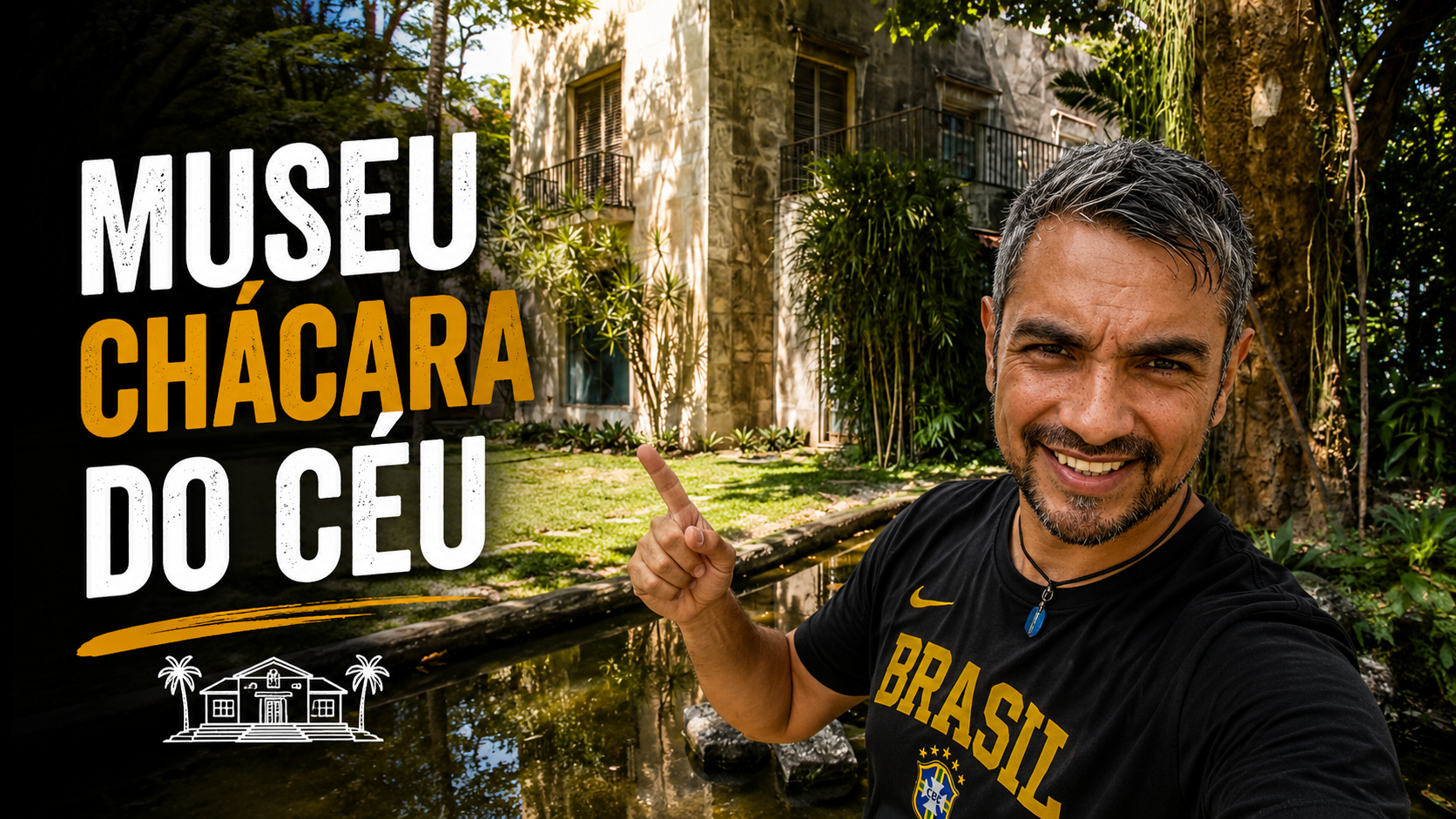
Museu Chácara do Céu occupies a former residence of Raymundo Ottoni de Castro Maya in Santa Teresa. Its collection brings together Brazilian art, European works, furniture, books and decorative objects in a modernist house surrounded by gardens and views towards Centro and Guanabara Bay.
Debret, Portinari, European art, modernist architecture and Santa Teresa views.
What you will find
Brazilian artworks. Watercolours and prints by Debret. Works by Portinari and Di Cavalcanti. European art. Furniture and decorative objects. Library and book collections. Modernist architecture. Gardens. City views. Rooms of a former residence.
What you may not know
It forms part of Museus Castro Maya. The property has been known as Chácara do Céu since 1876. The current residence was built in the 20th century. It holds an essential collection of Debret works. It is beside Parque das Ruínas. Visits are free.
History
Castro Maya was a businessman, collector and important figure in Rio’s cultural life. He gathered works from different periods and participated in initiatives preserving and promoting Rio’s heritage.
More context
His two residences became Museus Castro Maya: Museu do Açude in Alto da Boa Vista and Chácara do Céu in Santa Teresa.
A modernist house high in Santa Teresa
The property was known as Chácara do Céu from the 19th century. The old building was replaced by the current residence, designed by Wladimir Alves de Souza and completed in the 1950s.
More context
Large windows and open spaces connect rooms, gardens and landscape. Different points offer views of Centro, the bay and parts of Santa Teresa.
From Debret to Portinari
The collection includes Brazilian works from different periods, with particular attention to artists who depicted the city and society. Jean-Baptiste Debret, Cândido Portinari, Di Cavalcanti and others reflect the collector’s tastes.
European art and private collecting
There are also European works and objects, furniture, books and decorative pieces. The visit helps explain how a private collection reflects its owner’s preferences, relationships and social position.
The largest collection of Debret works in an institution
One of the most important collection groups relates to Jean-Baptiste Debret, a French artist who documented scenes, people and customs in 19th-century Brazil.
Art, house and landscape
The experience combines three inseparable elements: artworks, residential architecture and Santa Teresa views. This makes it different from a traditional gallery.
Why is it worth visiting?
It offers art, architecture and landscape in a peaceful setting. It can be combined with Parque das Ruínas, Escadaria Selarón and Santa Teresa’s historic streets.


My tip
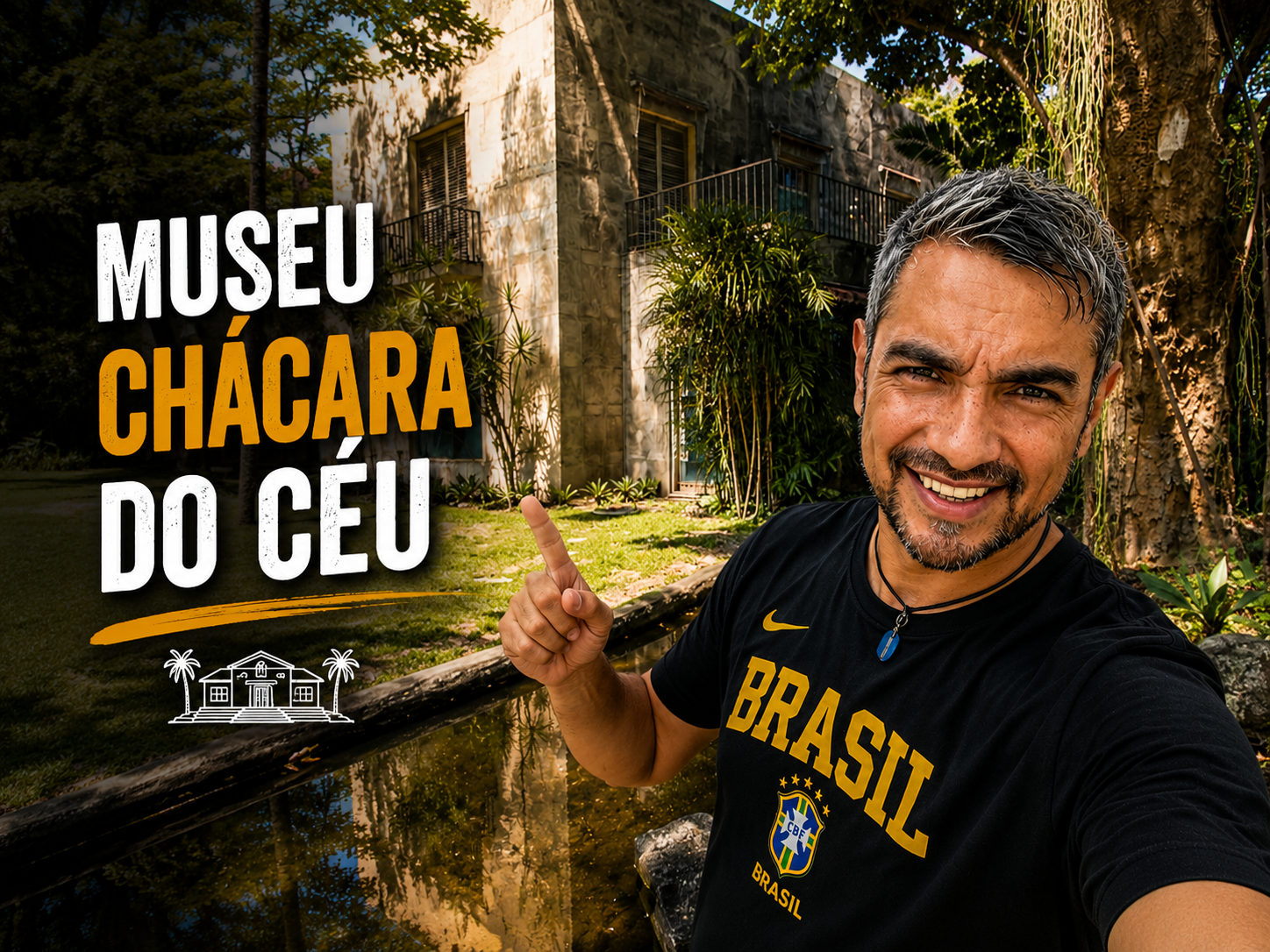
Visit Chácara do Céu first, then cross to Parque das Ruínas. Wear comfortable shoes: Santa Teresa’s streets have slopes and cobbles. Confirm beforehand, as it closes several days of the week.