
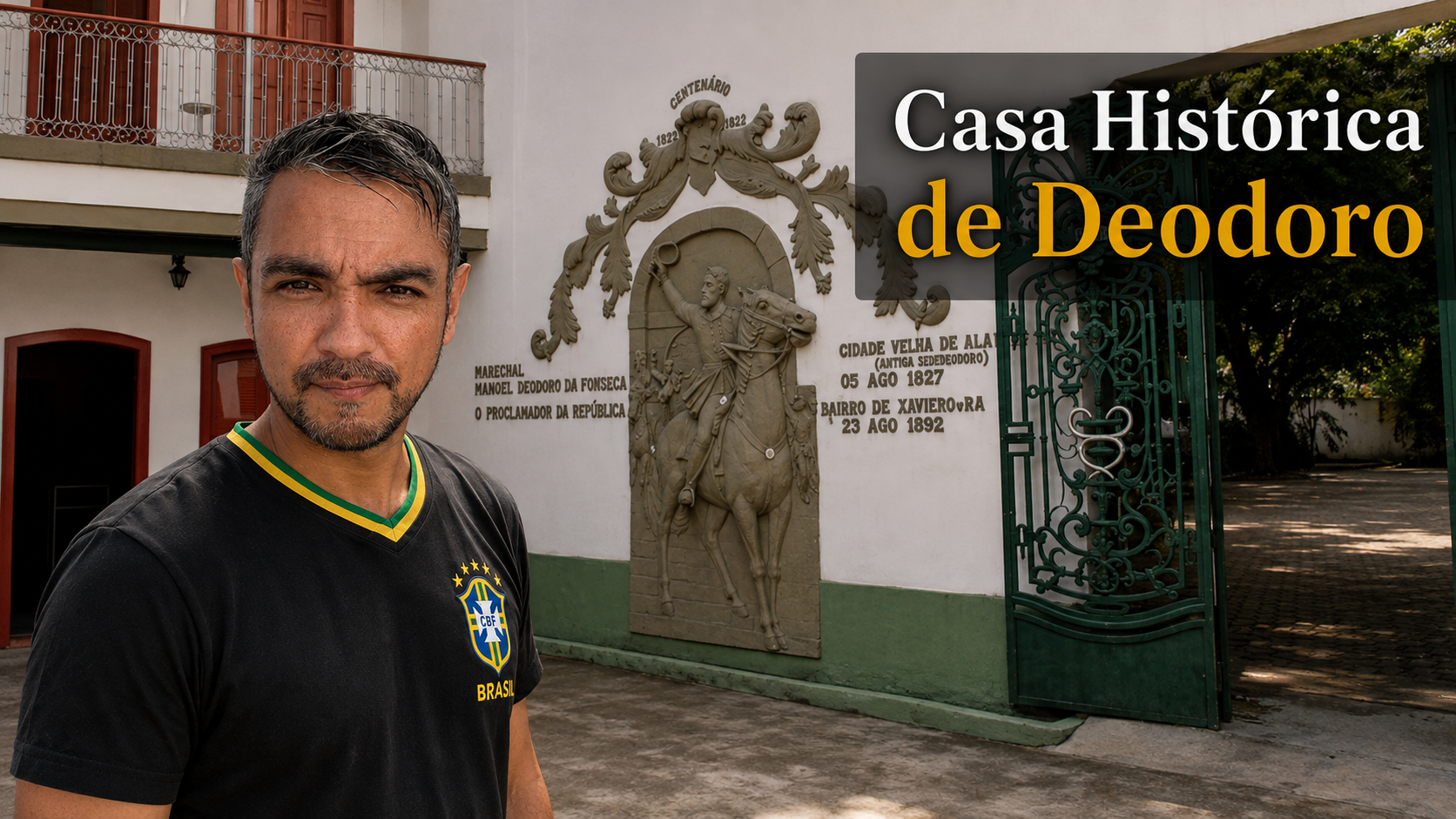
Casa Histórica de Deodoro preserves the memory of Marshal Manuel Deodoro da Fonseca, leader of the Proclamation of the Republic and Brazil’s first president. The residence hosted decisive political meetings and helps explain the events that ended the Empire in 1889.
The Proclamation of the Republic, Deodoro da Fonseca and Brazil’s first republican government.
What you will find
Rooms of a historic residence. Panels about the Proclamation of the Republic. Objects associated with Deodoro da Fonseca. Documents and photos. Information on the provisional government. History of the republican flag. References to the Republic’s first ministry. Garden and indoor areas. Guided visits subject to availability. An introduction to Brazilian political history.
What you may not know
Deodoro da Fonseca was Brazil’s first president. The house is beside Campo de Santana. The first republican ministry was organised here. Deodoro was originally a monarchist. The Republic was proclaimed on 15 November 1889. Visits are free.
History
Manuel Deodoro da Fonseca was a military officer and leading figure in the movement that proclaimed the Republic on 15 November 1889. After the monarchy fell, he led the provisional government and later became the country’s first constitutional president.
More context
The house beside Campo de Santana was one of the places linked to his life in Rio. Its rooms hosted conversations and meetings about organising the new regime.
A house directly linked to 1889
Its proximity to Campo de Santana has strong historical significance. In this area, troops commanded by Deodoro took part in the events that ended Dom Pedro II’s Empire.
More context
After the proclamation, the residence was also connected to organising the first republican ministry. It is more than a notable person’s home: it was the setting for important political decisions.
Objects, documents and historic rooms
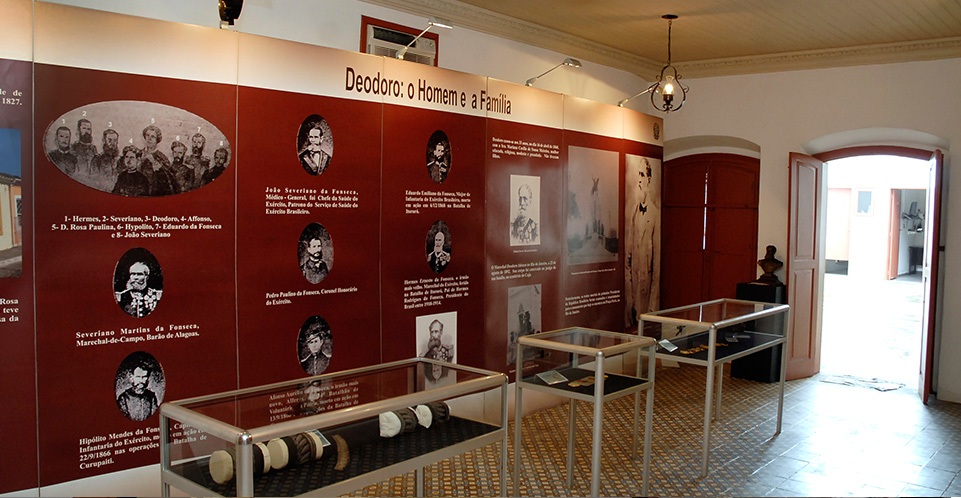
The exhibition presents panels, photos, documents and objects related to Deodoro, the Proclamation of the Republic, the creation of national symbols and the provisional government.
From Empire to Republic
The visit helps explain that the regime change was not an isolated event. Conflicts among the military, government, Church, landowners and republican groups contributed to the monarchy’s decline.
The creation of a new government
After 15 November, ministries had to be organised, symbols defined, new rules written and a constitution prepared. The house brings visitors closer to that moment of uncertainty and transformation.
A small museum in a strategic location
Although small, its location makes it easy to combine with Campo de Santana, Central do Brasil, Praça da República and other historic places in Centro.
Why is it worth visiting?
It is free, little known and housed in a building directly linked to one of Brazil’s most important political events.
My tip
It is a small museum; combine it with Campo de Santana. Observe the old buildings around Praça da República and continue towards Central do Brasil.