
Museu de Arqueologia de Itaipu preserves objects made by peoples who inhabited the Rio de Janeiro coastline before Europeans arrived. It occupies the ruins of Recolhimento de Santa Teresa, an 18th-century religious building beside Praia de Itaipu.
Archaeology, shell mounds, pre-colonial peoples and historic ruins beside Praia de Itaipu.
What you will find
Stone tools. Bone artefacts. Shells and animal remains. Pigments and ochre. Shell-mound material. Remains of Recolhimento de Santa Teresa. Historic chapel. Archaeological exhibitions. Educational activities. Praia de Itaipu’s landscape.
What you may not know
The museum opened to the public in 1977. It occupies 18th-century ruins. The collection preserves objects dating from before 1500. Shell mounds were built over generations. It is beside a traditional fishing community. Admission is free.
History
Long before Portuguese colonisation, different peoples occupied the coastline of what is now Niterói. They left tools, food remains, bones, pigments and large accumulations known as sambaquis, or shell mounds.
More context
Archaeological studies help reconstruct aspects of diet, technology, rituals, movement and relationships with the coastal environment.
The ruins of Recolhimento de Santa Teresa
The museum occupies the remains of a religious institution founded in the 18th century. Stone walls and a small chapel create a dialogue between pre-colonial archaeology and colonial history.
More context
The proximity of the beach and fishing community helps explain the continuing relationship between people and the maritime environment.
Stone tools, bones and animal remains
The collection includes stone and bone tools, pigments, human remains, shells and bones of fish, birds and mammals. These materials help interpret the daily lives of former coastal inhabitants.
Shell mounds on the Rio de Janeiro coastline
Sambaquis are large accumulations built over generations with shells, food remains, tools and burials. They are more than refuse heaps: they are complex, essential archaeological sites.
Sambaqui de Camboinhas
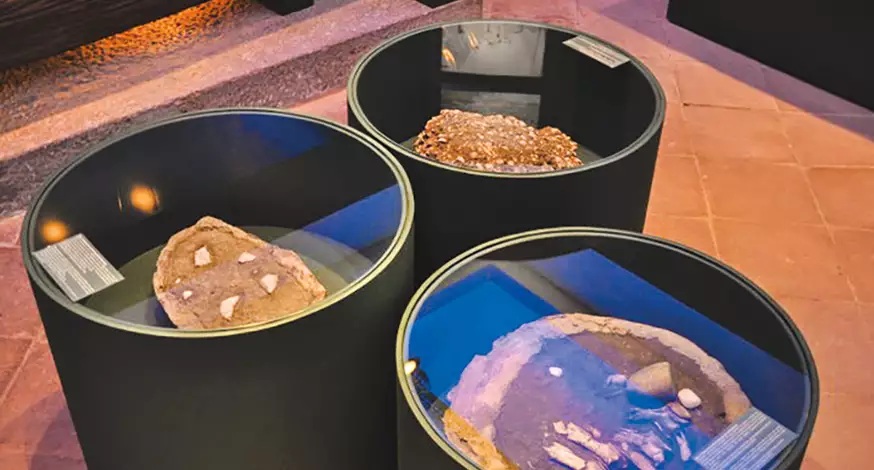
The museum preserves representative excavation blocks and material associated with Sambaqui de Camboinhas, an important archaeological site in Niterói’s ocean-facing region.
Museum, community and environmental education
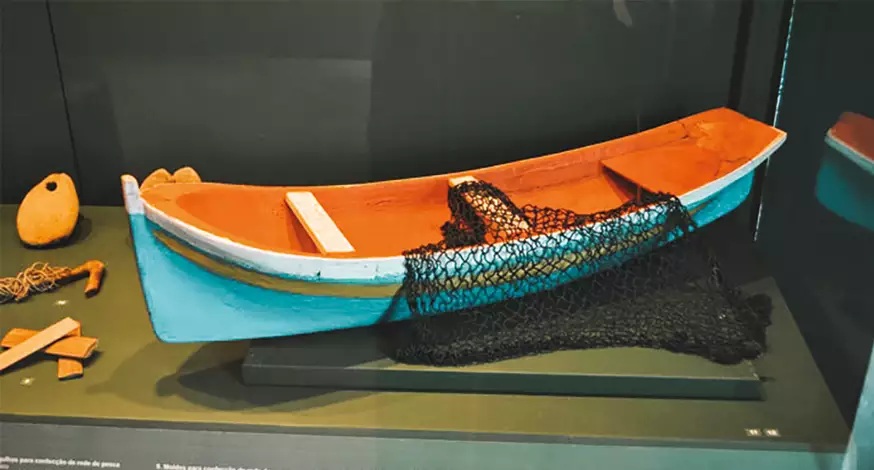
The institution develops projects with schools, researchers and residents. Archaeology, heritage, artisanal fishing and environmental preservation are interconnected.
Why is it worth visiting?
It is small, free and set in exceptional surroundings beside Praia de Itaipu. It reveals history far older than Rio’s colonial foundation.
My tip
Do not cross from Rio solely for a 45-minute visit. Combine it with Praia de Itaipu, the fishing community and a fish or seafood lunch.