
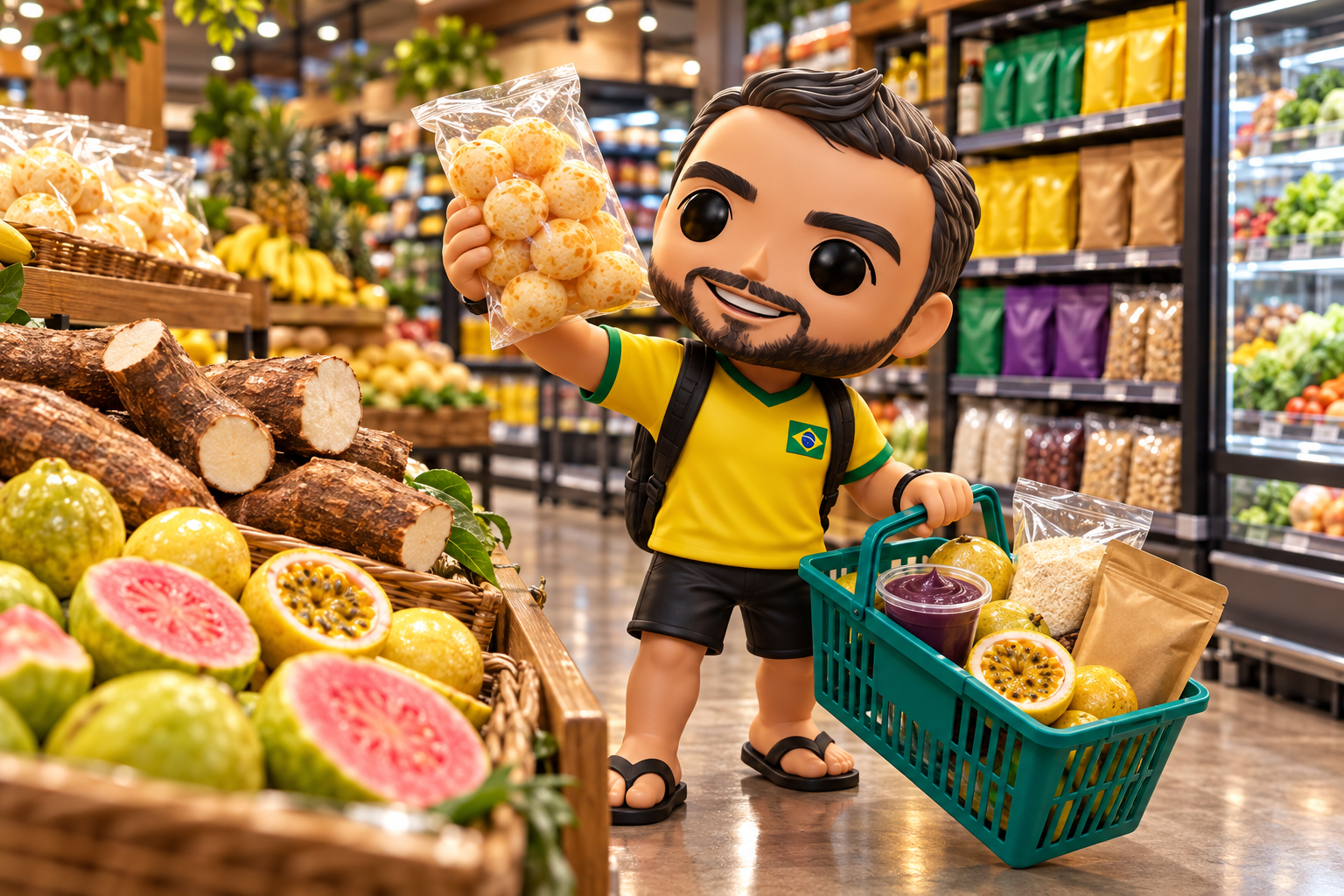
What to discover in a Brazilian supermarket
Even a simple shopping trip can become a cultural experience.
To me, visiting a supermarket is another way to discover Brazil: its breakfasts, afternoon snacks and ingredients you later recognise in feijoada. You do not need to buy much; a fruit, a drink and something to share can turn shopping into an experience.
Here you will find products less common in Chile and many other countries. Some are also sold abroad as imports; in Rio, the pleasure is comparing varieties, tasting fresh produce and discovering how Brazilians use it. Availability depends on the shop and season.
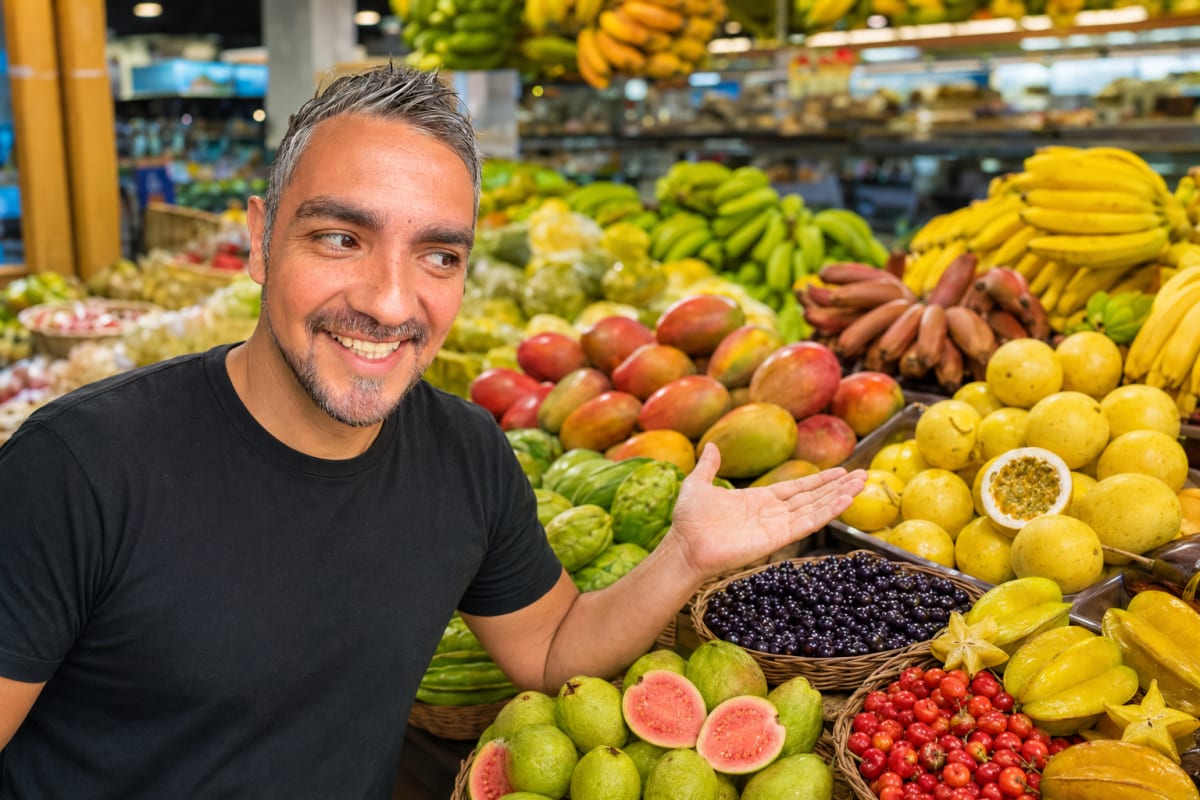
🥭 Fruit worth trying
Look for: guava, jabuticaba, passion fruit, acerola, star fruit, mango and different banana varieties.
Ask which fruit is ripe and buy a small portion. Some fruits are a completely different experience when tasted fresh.
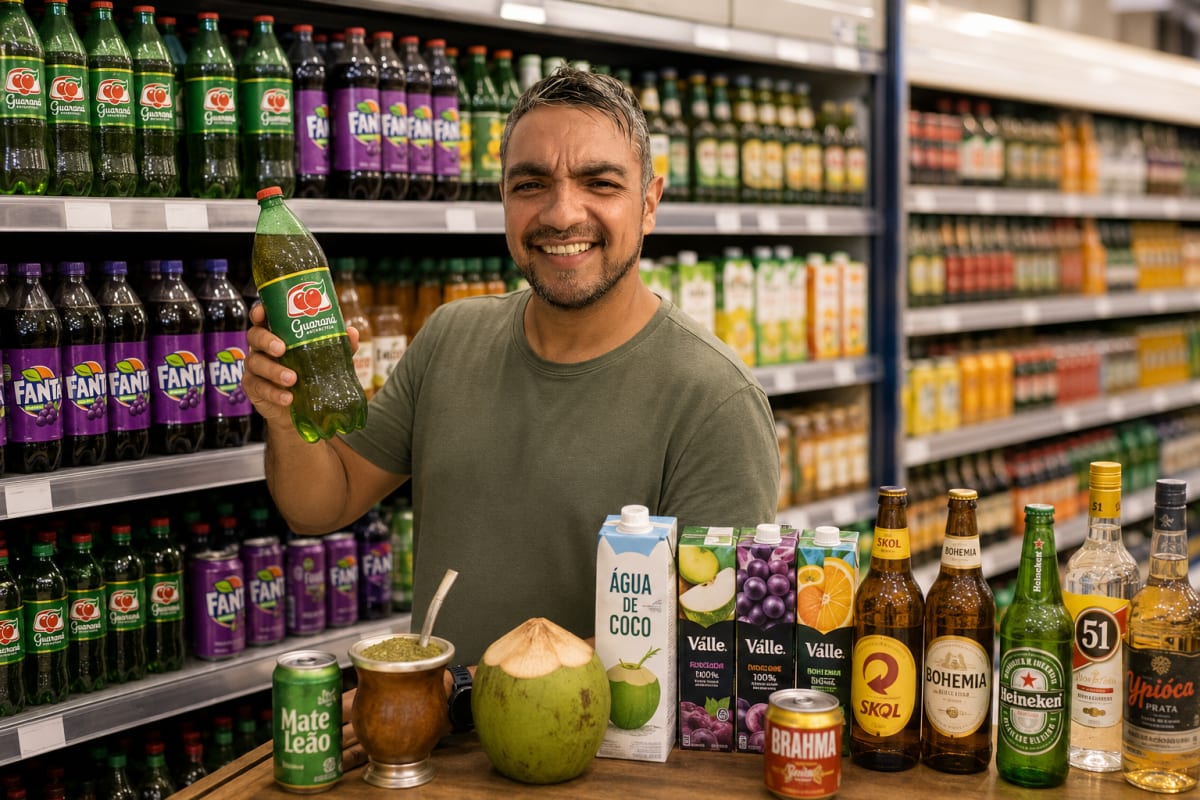
🥤 Drinks with a Brazilian flavour
Look for: guaraná soda, Fanta Uva, mate tea, coconut water, carton juices, beers and cachaças.
The drinks aisle looks familiar until you spot flavours rarely seen outside Brazil.

🍬 Sweet gifts
Look for: paçoca, pé de moleque, brigadeiro, guava paste, banana sweets, Bis and Brazilian chocolates.
They are affordable, light gifts that are easy to share. Paçoca is a crumbly peanut sweet: open it carefully.
🫘 A Rio pantry
Look for: farofa, tapioca, beans, rice, cassava starch, frozen cheese bread and seasonings.
This is where a Brazilian meal takes shape. Farofa accompanies meat and feijoada; hydrated tapioca starch is cooked in a frying pan.

🧀 Cheese and chilled foods
Look for: Minas cheese, requeijão, Catupiry, queijo coalho and Brazilian gorgonzola.
Minas cheese comes in fresh, padrão and aged varieties. Creamy requeijão appears at breakfast, on pizzas and in home cooking.
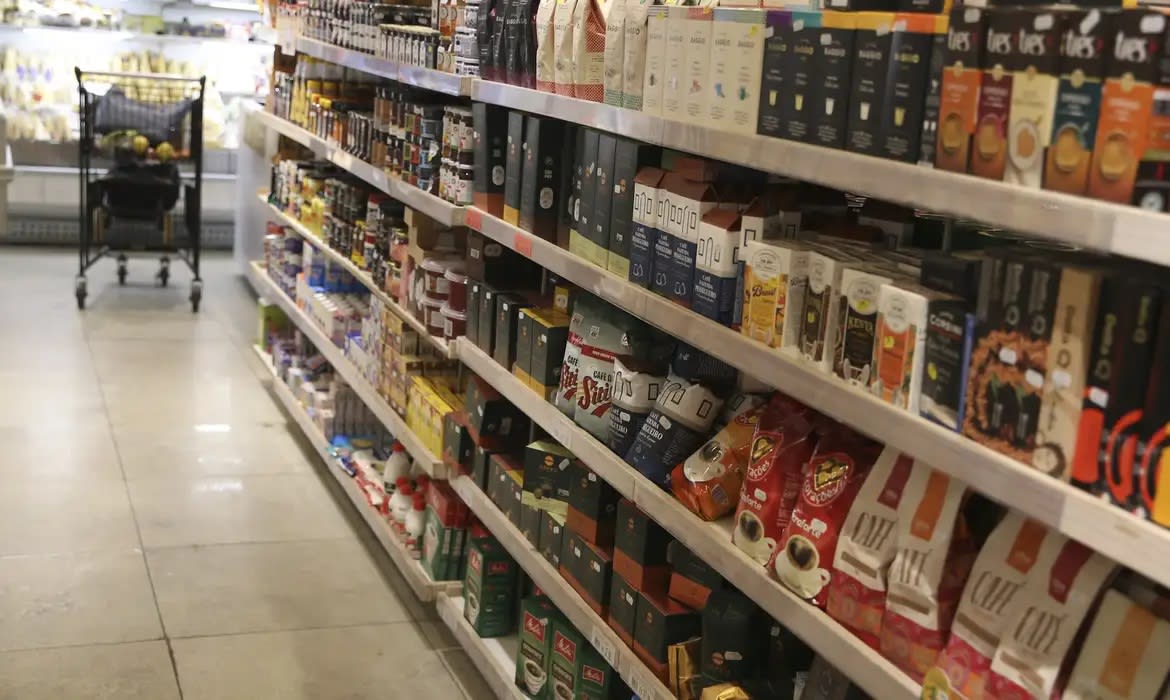
☕ Coffee and breakfast
Look for: coffees from different regions, cloth or paper filters, cheese bread, cassava-starch biscuits and sweets.
Check the coffee style—traditional, superior, gourmet or specialty—and whether it comes as beans or ground coffee. Everyone has different tastes.

🏖️ Sun, beach and everyday essentials
Look for: sunscreen, insect repellent, water, snacks, ice, plasters and toiletries.
Shopping away from the beachfront may offer better value and gives you time to compare sizes and brands.
01 · Fruit: names, flavours and how to try them
Start in the produce section. Buy small amounts of unfamiliar fruit and ask what is ready to eat today. Not every fruit is available year-round; some are easier to find at street markets, specialist shops or as frozen pulp.
- Goiaba: fragrant pink- or white-fleshed guava with seeds. Try it fresh, juiced or as guava paste to recognise a flavour found in many Brazilian sweets.
- Jabuticaba: small and dark with pale, juicy flesh. Open the skin to taste the inside and watch for seeds. Look for jam if fresh fruit is unavailable; its season can be short.
- Maracujá: aromatic, tangy passion fruit. Use the pulp in juice, mousse or sauces; dilute concentrates as the label directs. Concentrate is different from a ready-to-drink beverage.
- Acerola: a small, red, tart fruit. Juice or frozen pulp may be the easiest introduction. Start with a little and adjust the water to your taste rather than expecting a sweet cherry flavour.
- Carambola: slices form stars. It is eaten fresh or used as a garnish, and flavour changes with ripeness. Ask for a fruit ready to eat that day.
- Manga: try mango varieties such as Palmer or Tommy Atkins when available. Fibre, fragrance and texture vary. Do not judge ripeness by colour alone; choose for the day you plan to eat it.
- Banana prata, nanica and maçã: distinct varieties. Prata tends to be firmer, nanica softer and sweeter, and maçã has a distinctive aroma. Banana-da-terra is particularly suited to cooking.
- Mamão papaia and formosa: papaia is usually smaller and practical for two people; formosa is larger. Cut it open, remove the seeds and try the flesh at breakfast. Buy only what you can finish during your stay.
- Abacaxi, abacate and coco verde: pineapple, avocado and green coconut. Brazilian avocados may be large and are also used in sweet preparations; green coconut supplies coconut water. Familiar ingredients can have unfamiliar uses.
- Pitanga, seriguela, atemoya and sugar apple: further discoveries with variable availability. Atemoya and sugar apple have creamy flesh; remove the seeds. You do not need to find every fruit in one shop.

⭐ Ernestinho’s tip: make a small tasting at your apartment with two new fruits, one familiar fruit and coffee. Discover flavours without buying a kilo of something you may not enjoy.
02 · Frozen pulp, açaí and Amazonian flavours
- Cupuaçu has aromatic, creamy, tangy pulp used in drinks and desserts. Graviola is soursop; cajá is a small tart fruit; caju is the juicy cashew apple. Try their frozen pulps individually.
- Açaí: compare ingredients. Unsweetened pulp and blends with guaraná syrup, sugar or other ingredients taste different. A bowl with banana, granola or condensed milk is a prepared dish rather than plain fruit.
- Preparation: check whether you bought pulp, concentrate or a ready-made drink. Follow the maker’s mixing and storage instructions; many pulps need a blender. Buy frozen items last and return before they thaw.
03 · Drinks: from guaraná soda to Rio mate
- Guaraná soda is sweet and fizzy. Try a small can and compare regular and sugar-free versions. Its flavour is different from guaraná powder or a guaraná-containing açaí blend.
- Fanta Uva and other sodas let you try flavours less common at home. Versions and sizes vary by shop; check whether a bottle requires a returnable-bottle deposit.
- Mate in Rio is often served cold, plain or with lemon. Roasted mate tea is also sold for home preparation. It differs from the mate traditions of Argentina and Uruguay; taste it and check whether it is sweetened.
- Coconut water comes fresh, chilled or in cartons. Packaged versions differ in flavour; compare ingredients and start small. Água com gás means sparkling water; sem gás means still.
- Suco, néctar and refresco are different products. Check fruit content, ingredients and whether it is concentrated. Guava, passion fruit, cashew apple and mango drinks are easy introductions to Brazilian flavours.
04 · Beer and cachaça: choose a style
If you drink alcohol, a supermarket makes it easy to compare sizes and styles. Brahma, Antarctica, Skol and Bohemia are familiar shelf names alongside craft beers. Selection varies: a light pilsner, an IPA and a wheat beer offer different experiences.
Cachaça is a Brazilian sugarcane spirit associated with caipirinhas. Compare white and aged versions, alcohol strength, origin and any wood listed. A small bottle is a practical introduction; colour or a fancy label alone says little about your preference.
⭐ Ernestinho’s tip: for a gift, choose a sealed, labelled bottle and protect it against impacts. Check transport and destination entry rules before buying; a supermarket sale does not guarantee you can fly with it.
05 · Brazilian coffee: choosing a pack
Take your time in this aisle. Two packs labelled coffee can produce very different cups. Decide whether you want coffee for your accommodation, a gift or a new flavour, then compare style, grind, roast, origin and size.
- Style: tradicional and extraforte tend towards more bitterness; superior, gourmet and especial offer different balances. ABIC describes sensory styles, and preferences vary. Flavour intensity is not a measure of caffeine content.
- Whole bean or ground: em grãos needs a grinder; torrado e moído is already ground. Match grind size to a moka pot, filter or French press. Capsules must fit your machine’s system, not merely share its brand.
- Roast: torra clara, média or escura means light, medium or dark. Darker roasts generally emphasise roasted flavours and bitterness; lighter roasts can preserve other nuances. Chocolate, caramel or fruit tasting notes do not necessarily mean added ingredients.
- Origin: look for a region, producer or batch if listed. Brazilian coffees may come from Minas Gerais, Espírito Santo, São Paulo or Bahia; origin alone does not guarantee you will like a coffee. Compare two using the same brewing method.
- Brands and ranges: Pilão, Melitta and 3 Corações are familiar examples, but each brand may sell several styles. Explore small roasters and origin coffees where available. Compare the actual pack rather than relying on the brand name.
- Freshness and storage: check the roast date if provided, expiry date and packaging. A small pack is easier to finish. Once opened, seal it properly and follow storage instructions, away from heat, moisture and strong smells.
Before brewing in your apartment, check for a coffee maker, filter and cup; sometimes the missing ingredient is equipment. For gifts, ask whether the recipient has a grinder and how they brew. A suitable coffee is more thoughtful than choosing by price alone.
Discover Café Ernestinho and its varieties →06 · Sweets, biscuits and edible souvenirs
- Paçoca and pé de moleque both contain peanuts, but differ in texture. Paçoca is soft and crumbly; pé de moleque combines peanuts with a firmer sweet base. Try individual portions before buying a bag.
- Goiabada is guava paste sold in blocks or creamy versions. Paired with cheese, it becomes Romeu e Julieta. Try a small pack and choose a texture suited to cooking, slicing or spreading.
- Bananinha is a banana sweet, cocada is coconut-based and rapadura is a sugarcane sweet. Their flavours are intense; a selection of small portions is often better for sharing than one large pack.
- Brigadeiro is associated with chocolate and condensed milk; beijinho with coconut. Buy ready-made sweets or ingredients to make them. Sprinkles, coating, cocoa powder and sweetened chocolate drink powder serve different purposes.
- Bis is a chocolate-coated wafer; explore assorted chocolates and filled biscuits too. Biscoito de polvilho is light and crisp, quite different from a sweet biscuit. Protect packs from heat and crushing.
⭐ Ernestinho’s tip: on a rainy afternoon, try coffee, paçoca and guava paste. It makes an easy, shareable Brazilian tasting instead of your usual snack.
07 · Farofa, tapioca and Brazilian pantry staples
- Farinha de mandioca is cassava flour; farofa is generally toasted and may contain seasonings or other ingredients. Garlic, bacon and other versions vary in texture and flavour. Seasoned farofa is different from plain flour.
- Goma de tapioca: look for hydrated, ready-to-use starch to make tapioca in a pan. This is different from dry starch. Follow the pack directions and try a simple cheese, banana or coconut filling.
- Polvilho doce and azedo are cassava starches with different properties, used in cheese bread and biscuits. Azedo is a starch description, not a drink or seasoning. Buy the type specified in your recipe.
- Feijão preto is black bean; carioca is beige with streaks. Dried beans need preparation; for a short stay, look at ready-cooked options and their instructions. Buy only what you will have time to cook.
- Dendê palm oil brings colour and flavour to dishes such as moqueca; coconut milk is used in sweet and savoury recipes. Pepper sauces vary greatly: start with a little rather than assuming equal heat.
- Castanha de caju and castanha-do-pará are cashews and Brazil nuts, sold whole, salted or unsalted. Compare prices by weight. Cashew nuts are different from fresh cashew apples and are eaten differently.
08 · Cheese, bakery goods and apartment meals
- Minas frescal is mild, moist and chilled; padrão and aged varieties have different textures. Queijo coalho is firm and often grilled. Buy cheese for your stay rather than for luggage without refrigeration.
- Requeijão and Catupiry are creamy products for spreading or cooking. Catupiry is a brand; similar-looking products can have different ingredients. Read the label rather than choosing by a pizza picture.
- Pão francês is an everyday breakfast roll, sold by piece or weight. Pão de queijo also comes frozen; check for an oven at your accommodation. Bakery counters may have cornmeal cake, broa and other snacks.
- Ready-to-eat salads, cut fruit, roast chicken or prepared dishes can make an easy dinner. Check pricing, weighing and storage. Buy chilled food last and take it straight back to your accommodation.
09 · Shopping without surprises at checkout
- Per kilo, item or pack: R$/kg is not the price of one piece. Compare equal weights and formats; a small pack may appear cheap but cost more per kilo. Shelf prices in photographs are not current price guidance.
- Produce and bulk items: some shops weigh and label them in the department, others at checkout. Ask Precisa pesar aqui? before joining the queue. Keep different products in separate weighing bags.
- Loyalty offers may require registration, an app, CPF, a minimum quantity or a particular payment method. Otherwise, the standard price may apply. Check your eligibility before filling the trolley.
- Payment depends on the shop; PIX requires a compatible payment option. Débito and crédito are separate terminal choices. CPF na nota? asks about adding a CPF to the receipt; it does not automatically create a discount.
- Plan your list: dry goods first, chilled items next, frozen items last. Think about carrying the weight home. A huge shop loses its value if it needs extra transport, creates waste or will not fit in the fridge.
10 · Label vocabulary and useful questions
- Validade / vencimento: expiry date. Peso líquido: net weight. Ingredientes: ingredients. Após aberto: after opening. Mantenha refrigerado: keep refrigerated. Congelado: frozen.
- Sem adição de açúcares means no added sugars, not necessarily no naturally occurring sugars. Read what integral, diet, light and zero refer to. Néctar and refresco are different from pure juice.
- Allergens: read contém and pode conter, especially on products with peanuts, nuts, milk or wheat. The ALTO EM magnifying-glass label flags high added sugar, saturated fat or sodium. Front-of-pack pictures do not replace the ingredient list.
- Está maduro para comer hoje? = Is it ripe for today? Onde fica o café? = Where is the coffee? Tem embalagem menor? = Is there a smaller pack? Esse preço é sem cadastro? = Is that price available without registration?
11 · Three simple shopping lists
- Apartment breakfast: fruit, coffee for your machine, bread rolls or ready-to-use tapioca, cheese or requeijão, and water. Check utensils first; a busy morning is not the time for a complicated new recipe.
- Beach day: water, portable fruit and snacks that will not melt, plus sunscreen if needed. Bring only what you can carry and store properly. Chilled foods should not sit in the sun for hours.
- Brazilian tasting: guava or a new banana variety, passion-fruit drink or guaraná soda, paçoca and coffee. For souvenirs, choose sealed goods and check destination rules; for eating in Rio, explore fresh and chilled foods.
12 · Enjoy here, or check before packing
Enjoy fresh fruit, frozen pulp, açaí, cheese, yoghurt and bakery goods in Rio. For gifts, consider labelled, sealed coffee, manufactured sweets, farofa or preserves. Sealed or factory-made packaging does not guarantee entry to another country.
When entering Chile, declare plant- and animal-origin products to SAG. Inspectors decide whether they may enter; gifts and small amounts still need declaration. Check the specific product before buying. For other destinations, consult their border and sanitary authorities.
Liquids and alcohol: cabin baggage, checked baggage and connections may have different conditions. There is no universal allowance listed here. Check the airline, airport and destination; keep receipts and protect bottles so a bargain is not lost at boarding.
Supermarkets in Copacabana
Use these addresses to find options near your accommodation. Confirm the branch and opening arrangements before setting out; services, ranges and offers change. No chain wins for everything: compare your actual basket rather than its reputation.
Mundial
Rua Siqueira Campos, 71 — A useful reference for a larger shop and comparing prices; often busy.
Zona Sul — Bolívar
Av. Nossa Senhora de Copacabana, 936 — A large branch near Posto 5, useful for prepared foods and a full shop.
Zona Sul — Siqueira Campos
Av. Nossa Senhora de Copacabana, 595 — Well placed for Postos 3–4 and central Copacabana.
Zona Sul — Joaquim Nabuco
Av. Nossa Senhora de Copacabana, 1369 — Convenient for Posto 6 and the Ipanema boundary.
Zona Sul — Sá Ferreira
Av. Nossa Senhora de Copacabana, 1200 — Another option around Postos 5/6.
Zona Sul — Francisco Sá
Rua Francisco Sá, 35 — Useful for visitors staying near Arpoador and Posto 6.
Zona Sul — Dias da Rocha
Rua Dias da Rocha, 29 — A neighbourhood supermarket close to central Copacabana.
Pão de Açúcar
Av. Nossa Senhora de Copacabana, 493 — A central branch for quick purchases or a full shop.
Pão de Açúcar
Av. Nossa Senhora de Copacabana, 1162 — An option for Postos 5/6.
Pão de Açúcar
Rua Siqueira Campos, 97 — Close to the Siqueira Campos area.
Pão de Açúcar
Rua Ministro Viveiros de Castro, 38 — An option towards Leme/Posto 2.
Extra Mercado
Rua Siqueira Campos, 143 — A longstanding supermarket address in the Siqueira Campos area.
Hortifruti
Rua Siqueira Campos, 74 / other neighbourhood branches — Especially useful for fruit, vegetables, fresh food and a light shop.
13 · Common shopping questions
Where can I find less common fruit?
Start at a produce shop or neighbourhood market; look for frozen pulp for flavours from other regions. Season and stock matter more than shop size. A fruit pictured here may not be available on your visit.
Is a municipal market the same as a supermarket?
No. It may bring together specialist stalls, food and different products with a different shopping process. The São Paulo photo illustrates variety; it is not a suggestion to travel there from Rio for groceries.
What should I buy if I only have a minibar?
Small portions and ready-to-eat goods. Check space and temperature before buying chilled items; a minibar is not necessarily equivalent to a kitchen fridge and freezer. Frozen pulp may be impractical without a blender.
What gift would I choose?
Coffee suited to the recipient and a small selection of Brazilian sweets. I prefer variety and sound packaging over weight. Check travel and destination entry requirements first.
Should I buy everything on arrival?
Make a small first shop for breakfast, water and something to try. Once you know your routine and accommodation’s equipment, buy the rest. Avoid duplicate purchases, an overfilled fridge and waste at departure.
14 · Connect your shop with the rest of Rio
Recognising these ingredients changes how you read a menu: farofa with meat, guava paste with cheese, passion fruit in dessert or coffee from another region. The supermarket is a starting point; keep discovering Rio in its markets, cafés and restaurants.
At a supermarket, I would compare the price per kilogram or litre, not just package size, and check dates, storage and labels if you have allergies or dietary restrictions. Products and brands may differ from home; ask before opening something or assuming it is ready to eat. If you plan to cook, confirm what equipment your accommodation provides and where to buy water and basics nearby so you do not carry bags across town.